More Than Cards: The Services Behind the Ecosystem
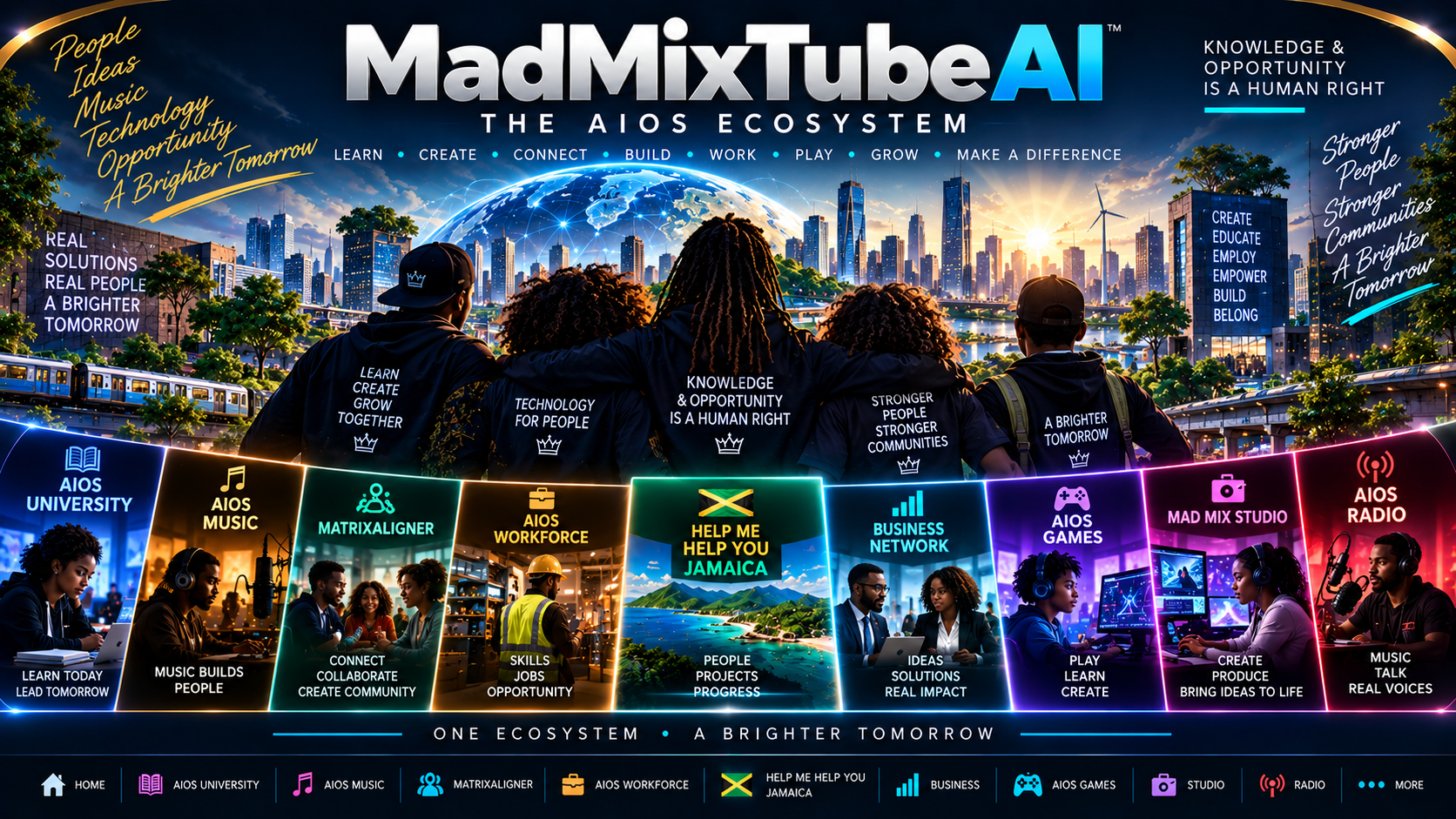
After looking through the Connected Ecosystem, the first thing to
understand is that these cards represent different parts of a
much larger system.
The card itself is only the entrance. What matters is what
happens after someone enters.
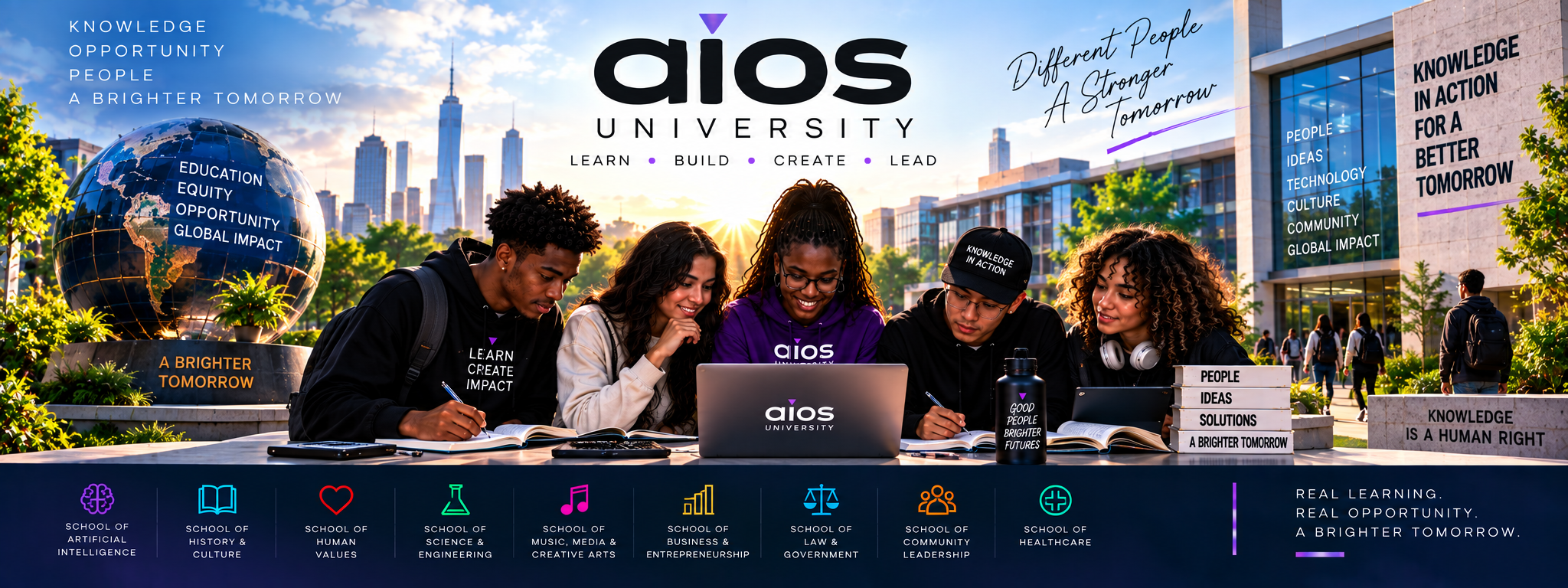
A person may begin with AIOS University because they want to
understand artificial intelligence, science, business, history,
law, healthcare, or another subject. Education can become the
first step, but education alone is not always enough. Eventually
that person may want to apply what they learned.
That is where another part of the ecosystem may become useful.
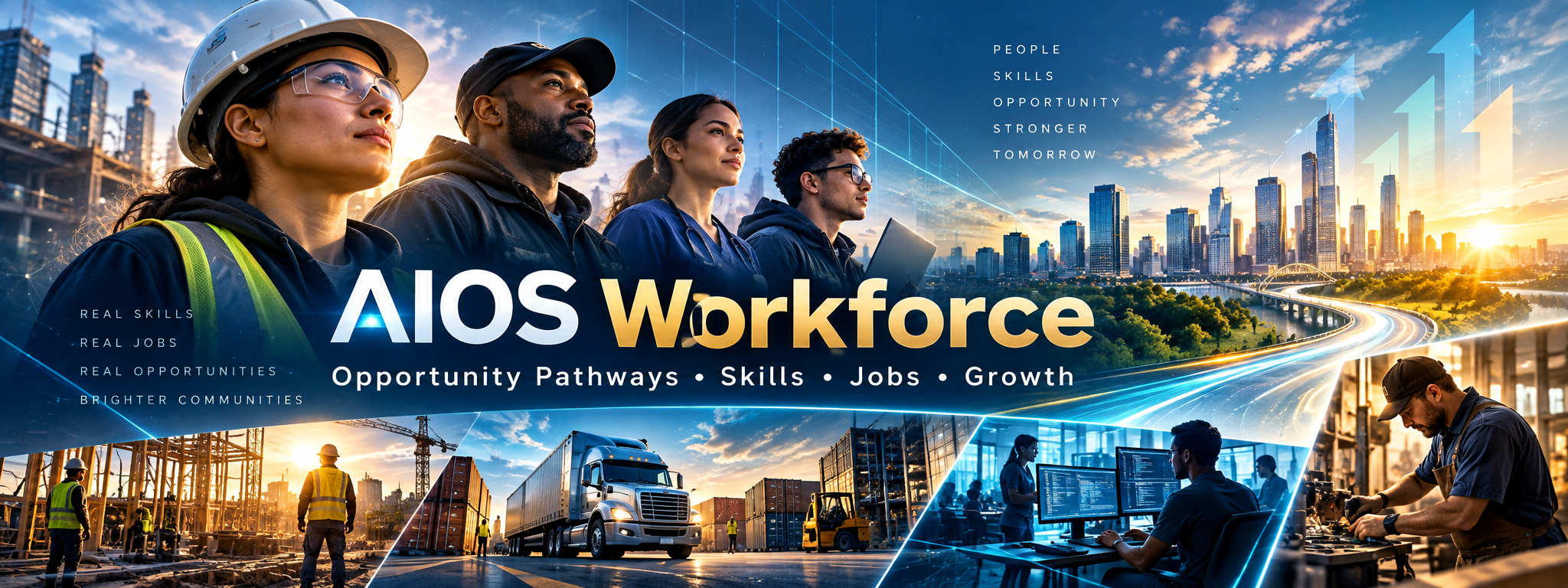
They may move toward Workforce to develop practical skills. They
may discover a trade or professional pathway. They may enter the
Connection Network to find people working in related industries.
They may discover a business platform where an idea can become a
working service.
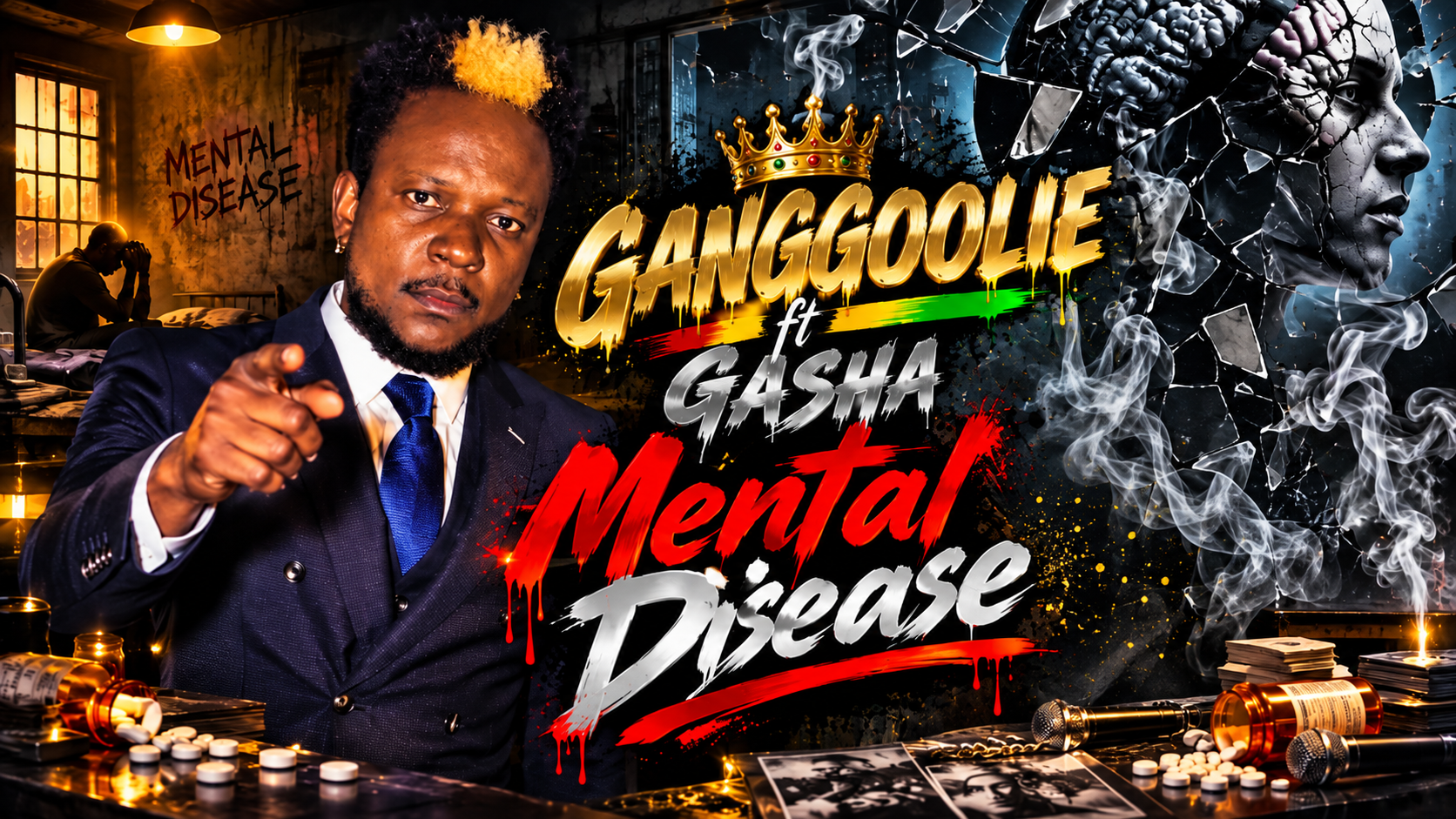
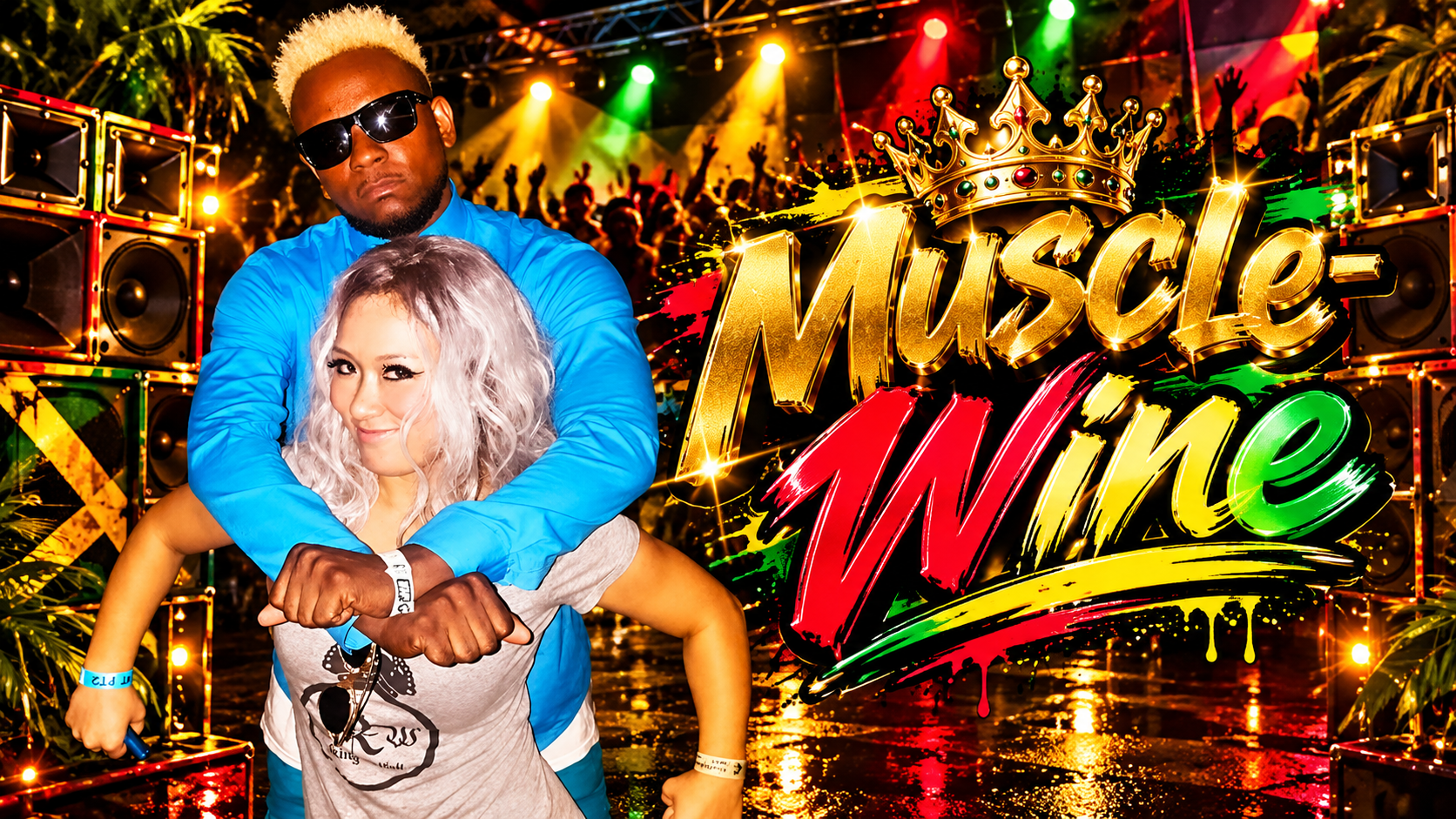
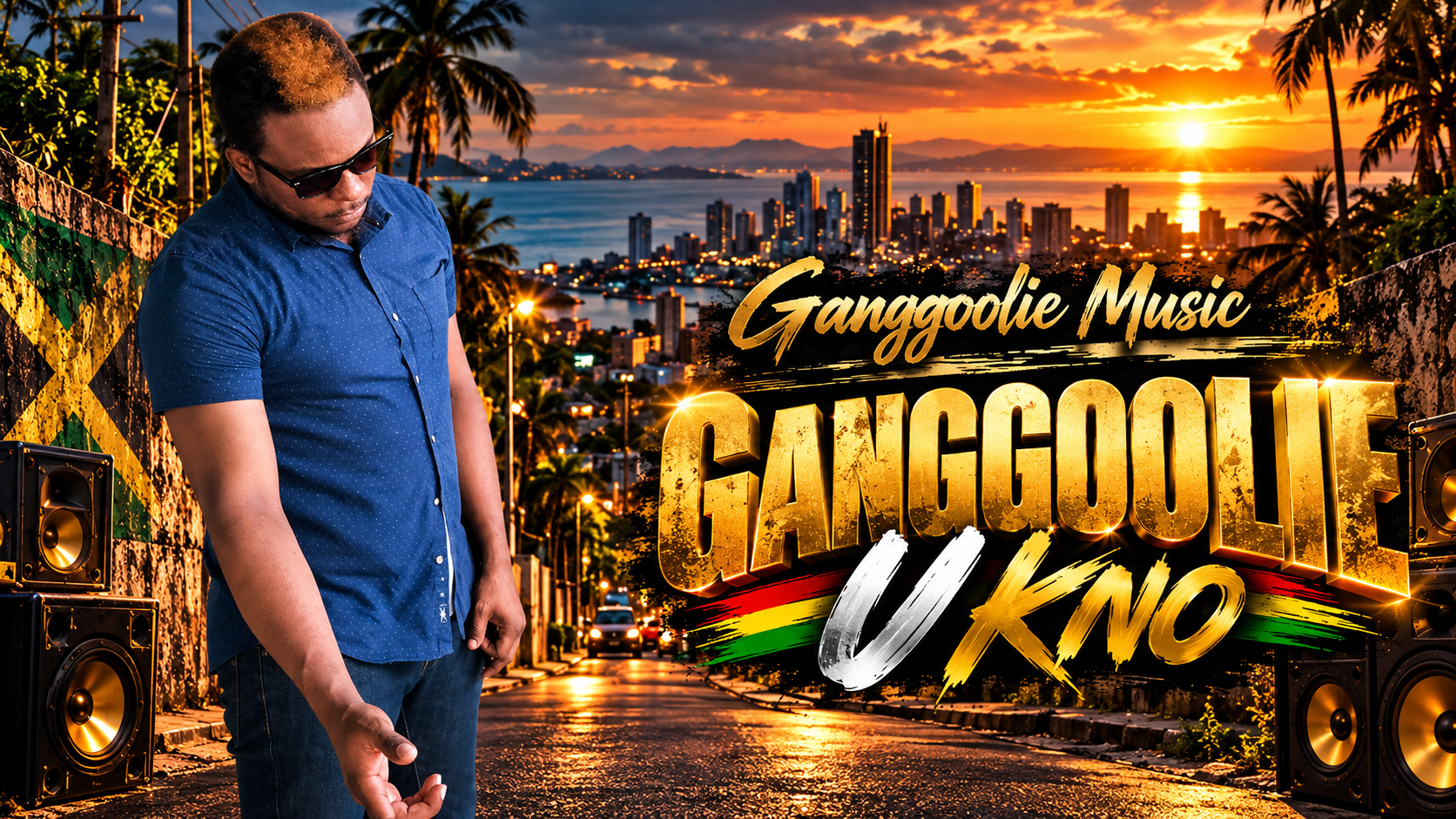
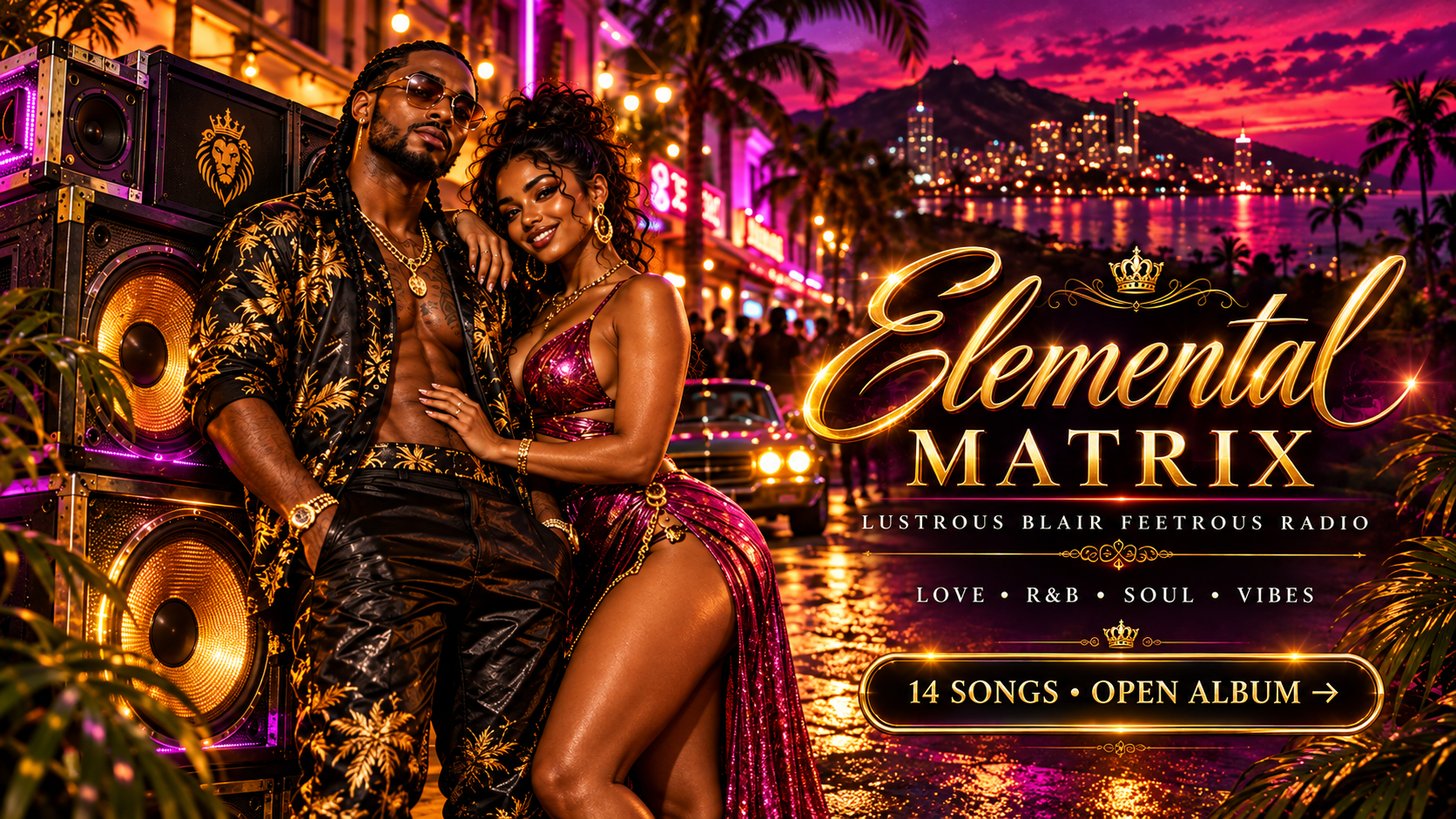
Someone else may enter through music. They might discover AIOS
Music, MatrixAligner Radio, Lustrous Blair Feetrous Radio, album
collections, stories, or other creative work. Their journey
begins with entertainment, but creativity can also become
education, publishing, ownership, collaboration, and business.
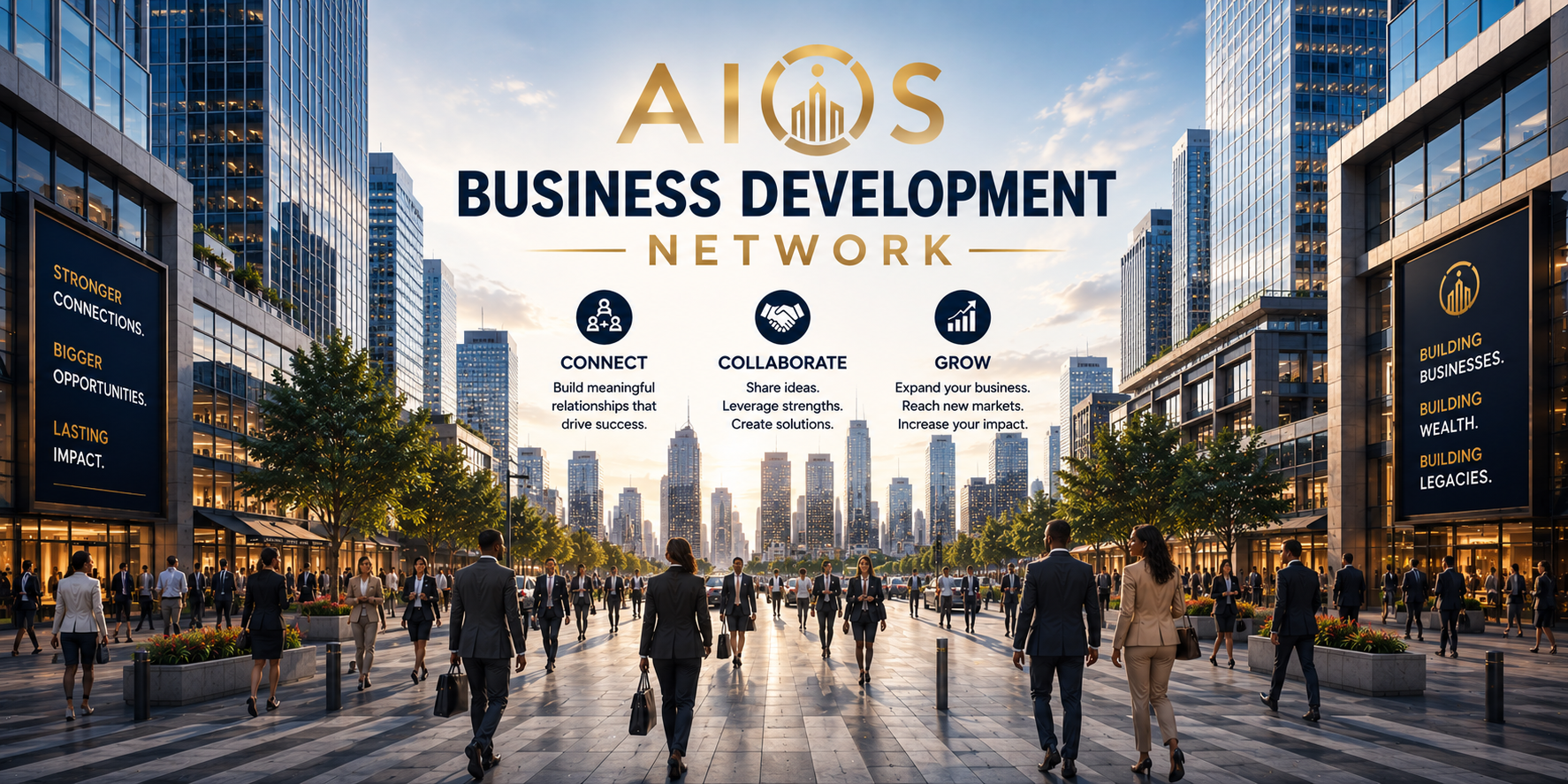
Another person may arrive because they want to build something.
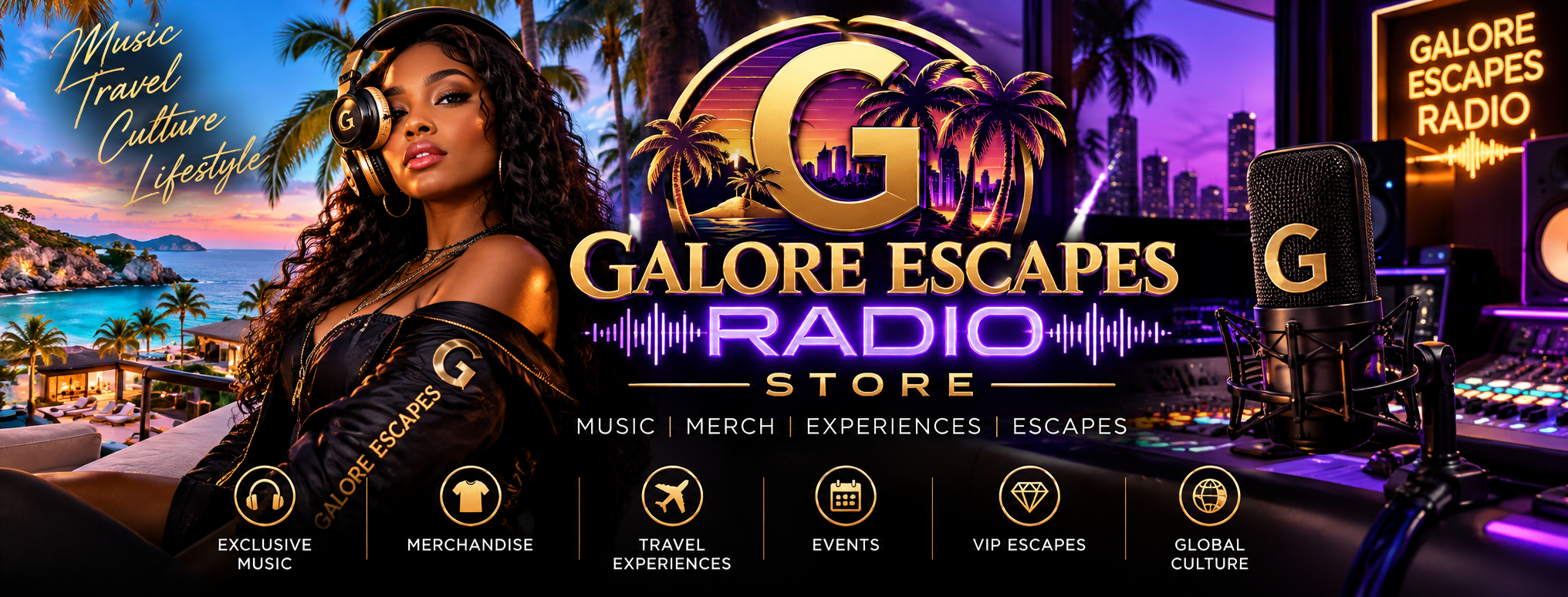
The Business Development Network, Matrix Barbershop, Galore
Escapes, dispensary concepts, marketplace systems, and other
service models demonstrate how ideas can become functioning
digital businesses.
The ecosystem allows these worlds to sit beside one another:
education beside business, music beside technology, workforce
beside entrepreneurship, community beside media, publishing
beside social networking, and entertainment beside learning.
That combination matters because real life does not happen inside
a single category. A musician can also be a business owner. A
student can become a creator. A worker can become an
entrepreneur. A traveler can become a storyteller. A programmer
can become an educator. A community member can become a leader.
MatrixAligner is the social layer connecting people to this wider
network of services. Its purpose is to help people connect,
communicate, participate in communities, build trust, share work,
and discover useful destinations without starting over every time.
Identity should travel with the person. Trust should be earned
through behavior. Connections should be intentional. Services
should have a clear purpose. People should remain in control of
where they go.
Connecting these services does not mean erasing their identities.
A dedicated radio can focus on music. A university can focus on
learning. A workforce platform can focus on work. A business
platform can focus on commerce and development. A social network
can focus on relationships and communication.
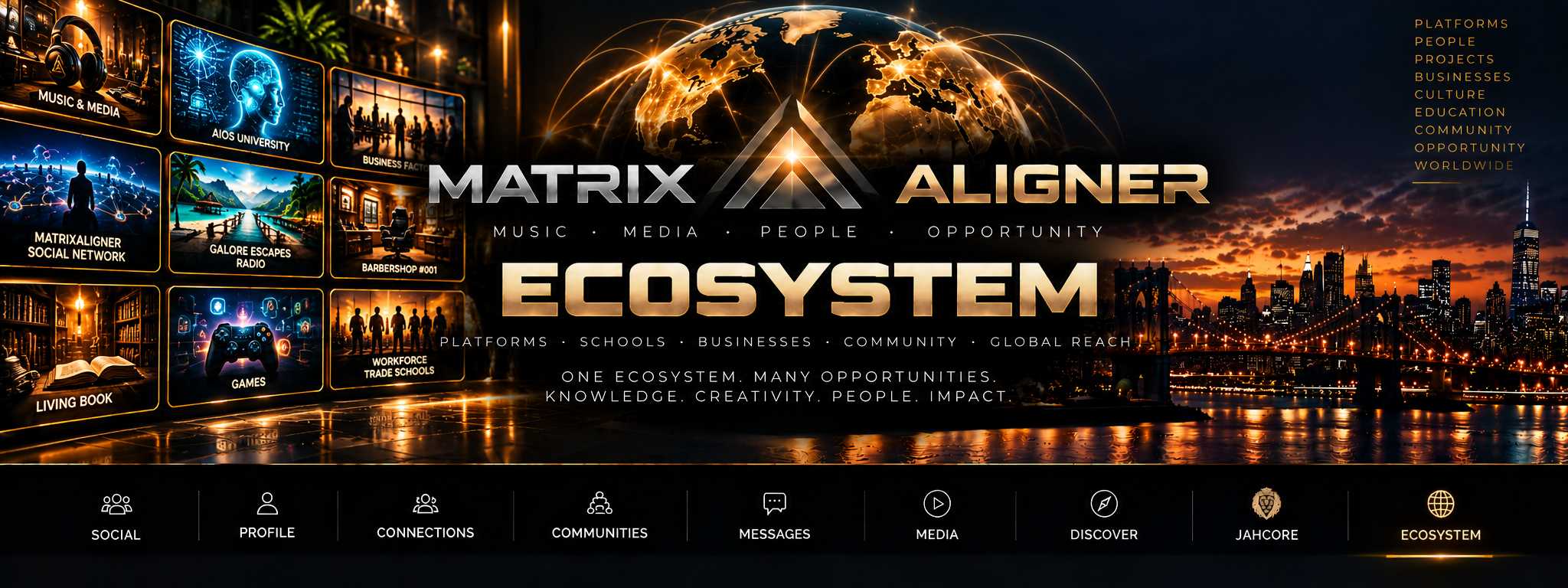
The visual cards provide a map of that system. New services can
be added. Existing services can mature. Some ideas may become
major platforms. Others may remain specialized tools.
The important thing is that each service earns its place by doing
something useful. The goal is not to have the largest number of
cards. The goal is for the cards to represent real doors.
Doors to knowledge. Doors to opportunity. Doors to creativity.
Doors to business. Doors to community. Doors to technology.
Doors to communication — and sometimes doors that did not exist
before.
That is what the MatrixAligner Connected Ecosystem is being built
to become: a network where different services can remain
independent, yet become more useful because they are connected.
10 Questions & Answers
1. What is the MatrixAligner Connected Ecosystem?
It is a connected network of platforms, tools, media properties,
learning environments, business services, and community
destinations. The Ecosystem page gives people one place to
discover and enter those different services.
2. Why are there so many different cards?
Because different people have different needs. Education,
music, workforce development, business, travel, technology,
publishing, social networking, and community services should
not all be forced into one identical experience.
3. Are the cards just advertisements?
No. The purpose of each card is to act as a doorway to an
actual destination or service within the wider ecosystem.
4. Why keep the services separate?
Specialized services are easier to understand and improve. A
radio platform should behave like a radio platform. A
university should behave like a learning environment. A
business service should focus on its own function. The
ecosystem connects them without removing their individual
purpose.
5. How does MatrixAligner fit into the ecosystem?
MatrixAligner provides the social-network layer. Its role is to
help people connect, communicate, participate in communities,
manage identity, build trust, and discover other destinations
throughout the ecosystem.
6. What role does AIOS University play?
AIOS University represents the learning and knowledge side of
the ecosystem. It provides a place to study and develop
understanding that can later connect with work,
entrepreneurship, creativity, or community participation.
7. Why combine workforce, business, education and media?
Because learning should have pathways into real life. Someone
may learn a skill, use it in the workforce, turn it into a
business, connect with others in the same field, or create
something new from it.
8. What makes this an ecosystem instead of separate websites?
The intention is for the services to work as connected
destinations rather than isolated projects. Identity,
discovery, trust, communication, learning, media, and
opportunity can move across the ecosystem while each service
keeps its own role.
9. Will more services be added?
Yes, as useful services are developed and proven. Growth should
come from real functionality, not simply adding more cards for
appearance.
10. What is the larger purpose of the Connected Ecosystem?
To make technology more useful to people by connecting
knowledge, opportunity, creativity, business, communication,
and community in one understandable network.
The cards are the map. The services are the destinations.
The people are the reason the ecosystem exists.
 AIOS Music
 AIOS University
 AIOS Workforce
 Marketplace & Business
 Galore Escapes
 Matrix Hub
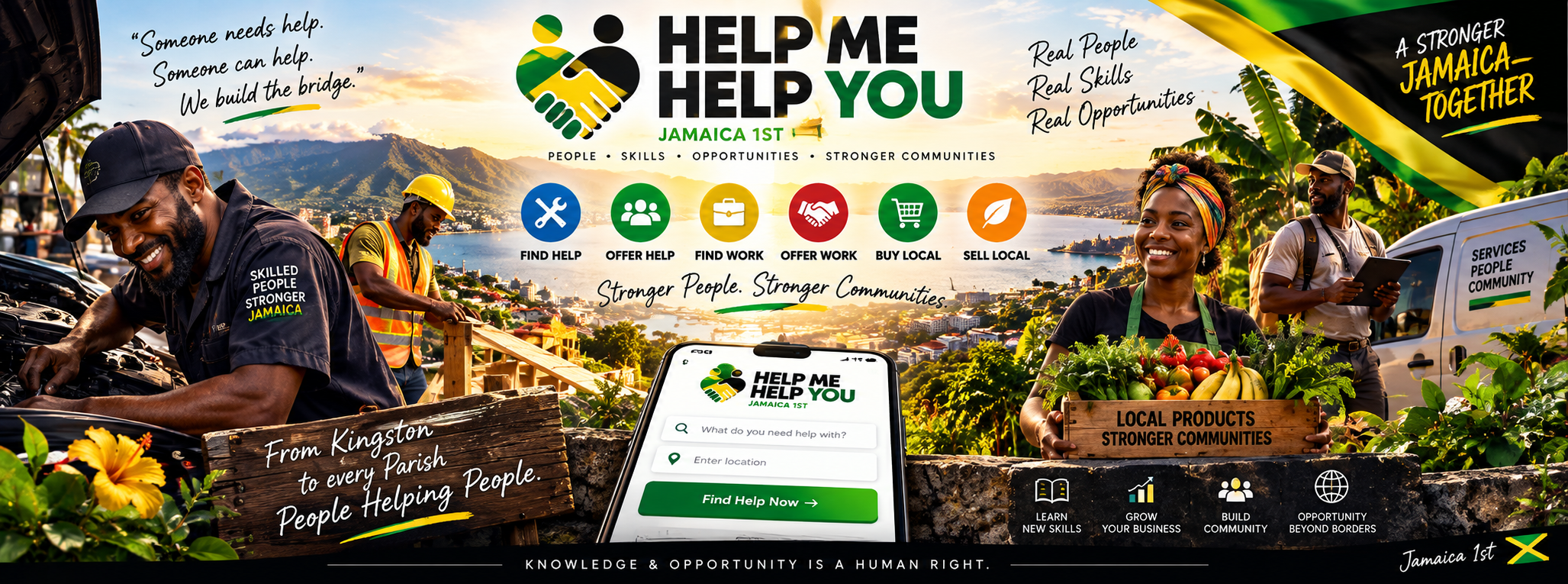 Help Me Help You
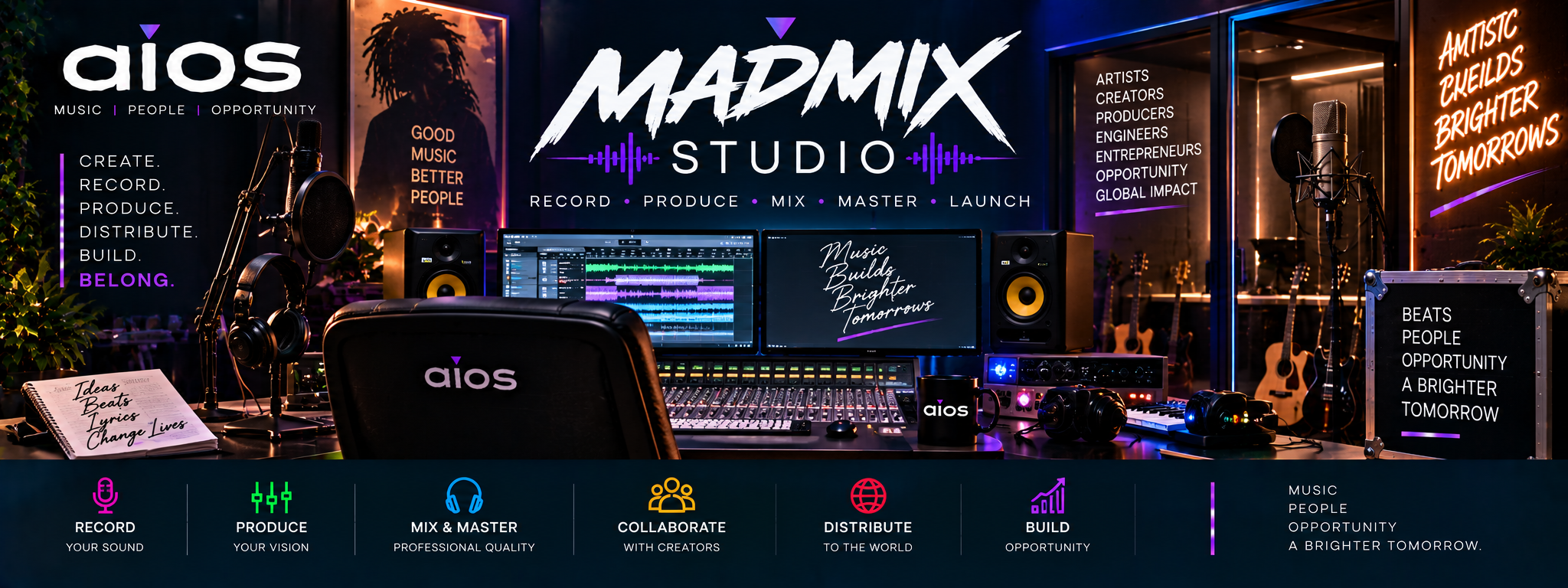 Mad Mix Studio
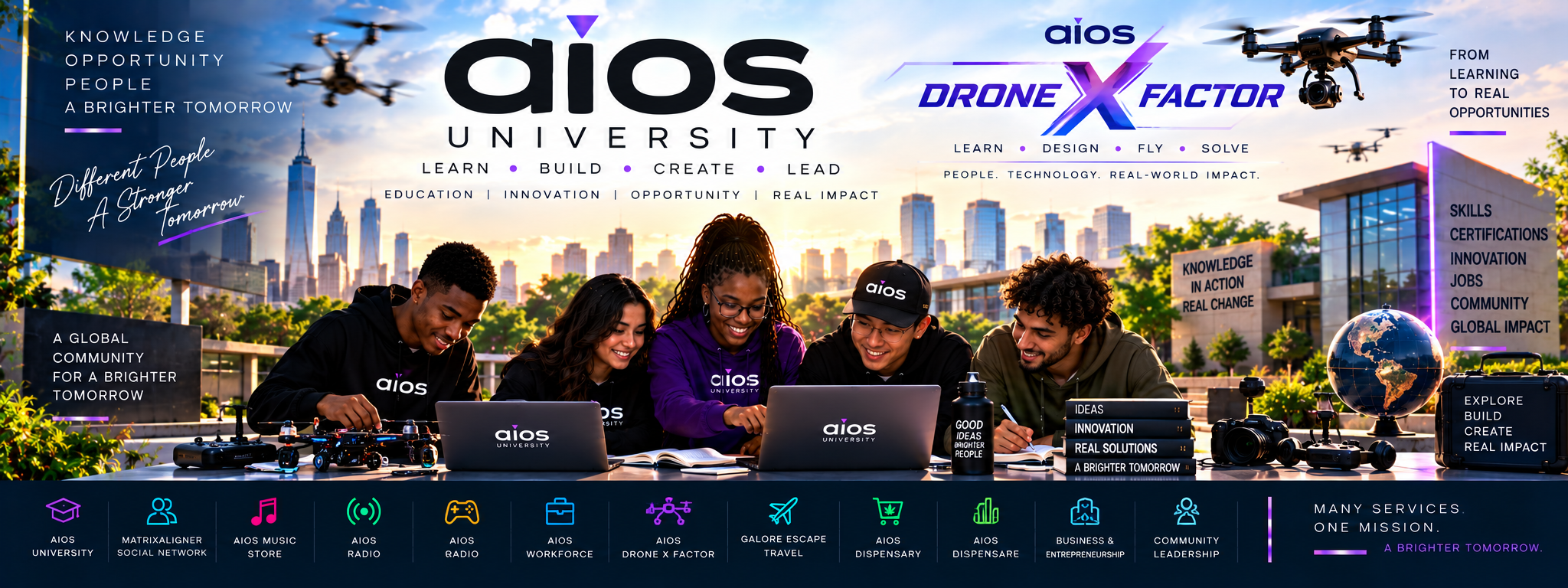 Drone Technology Foundations
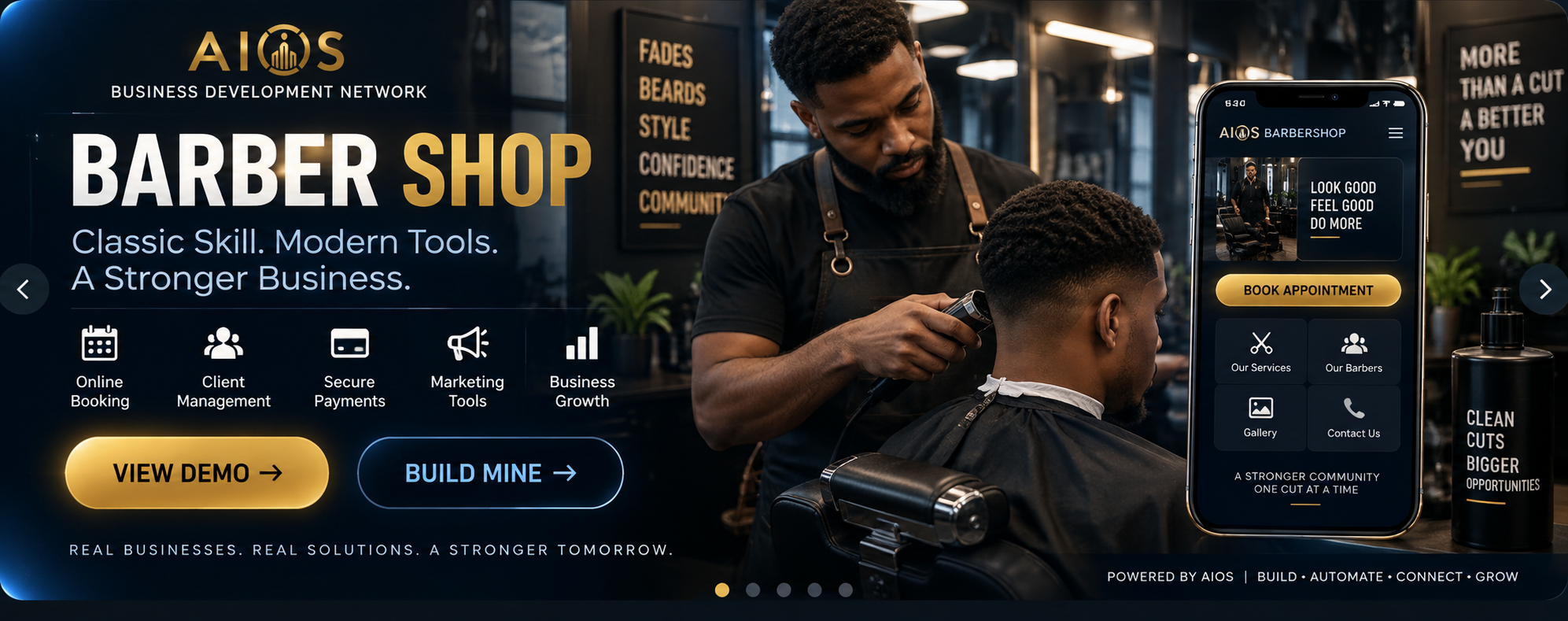 Matrix Barbershop
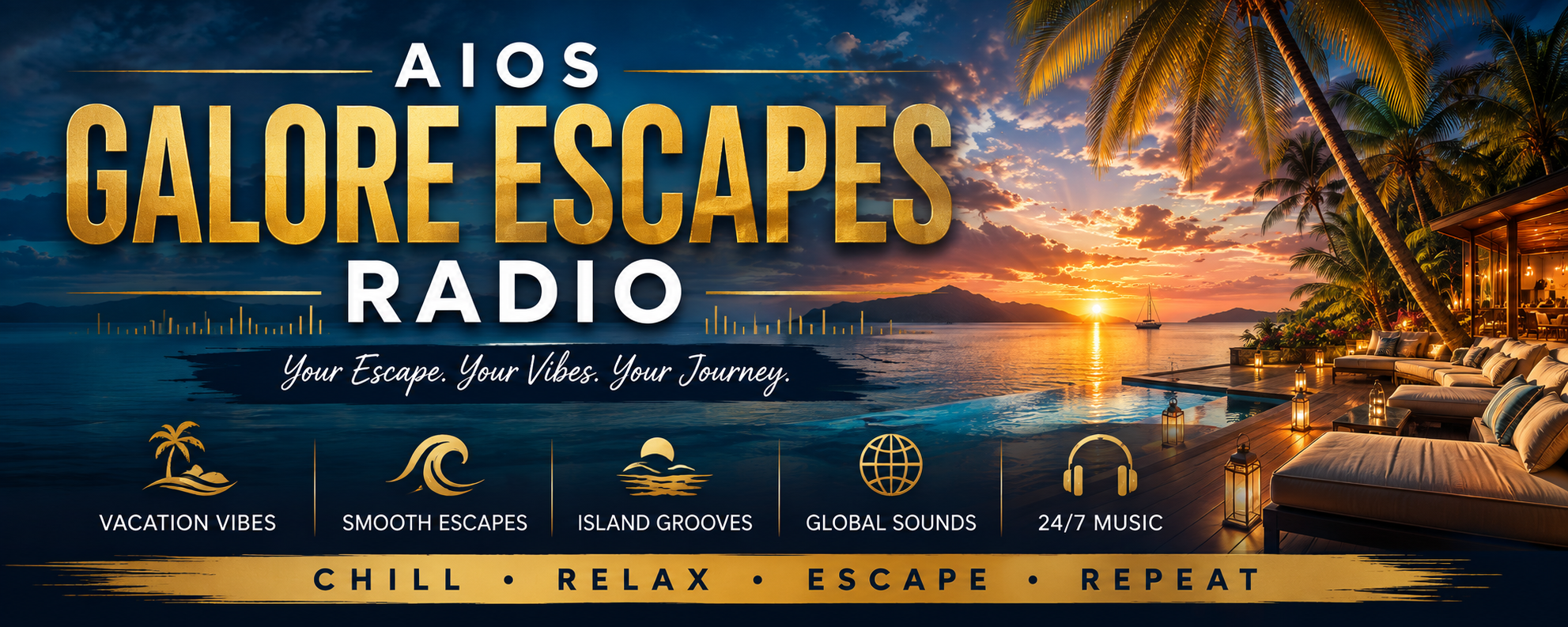 Galore Escapes Radio
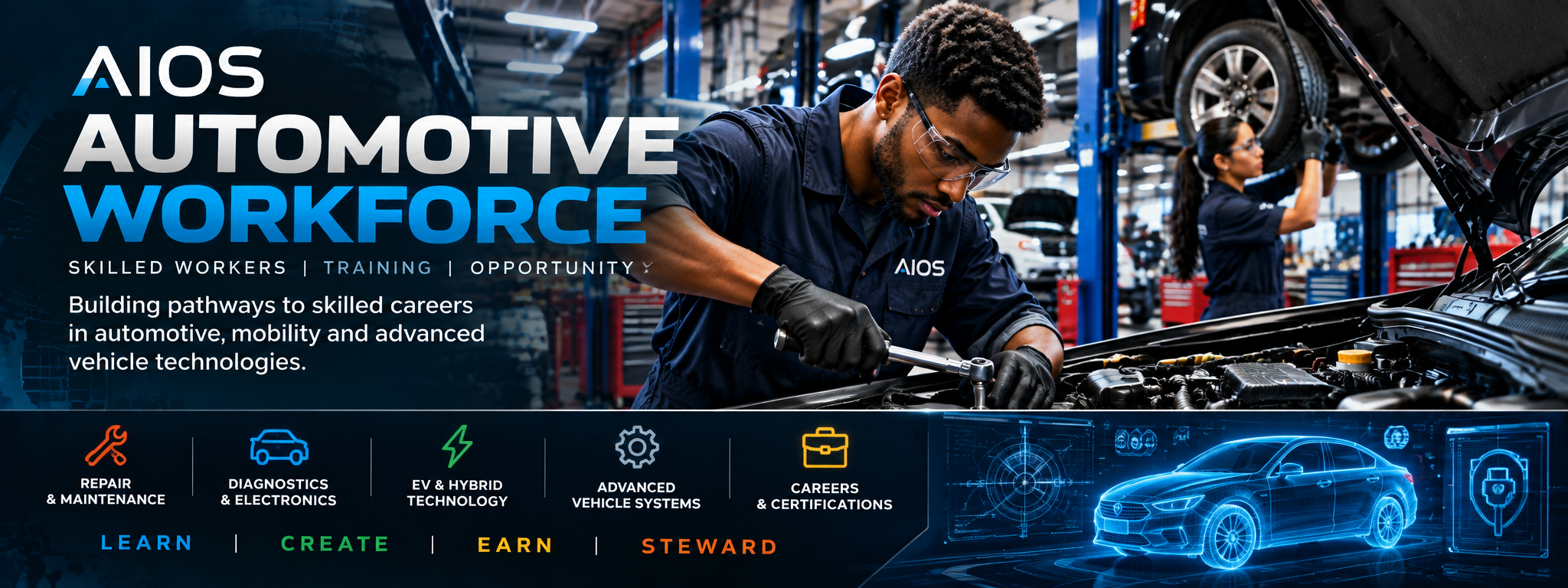 Automotive Workforce
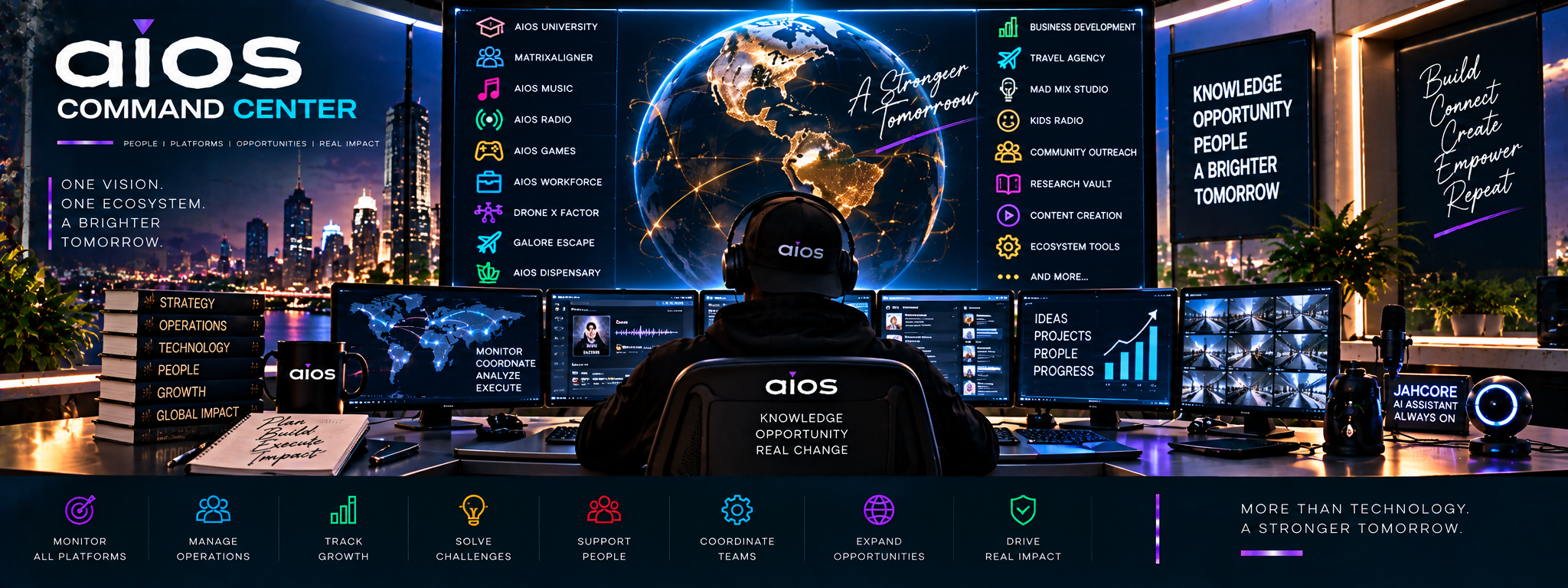 Master Admin
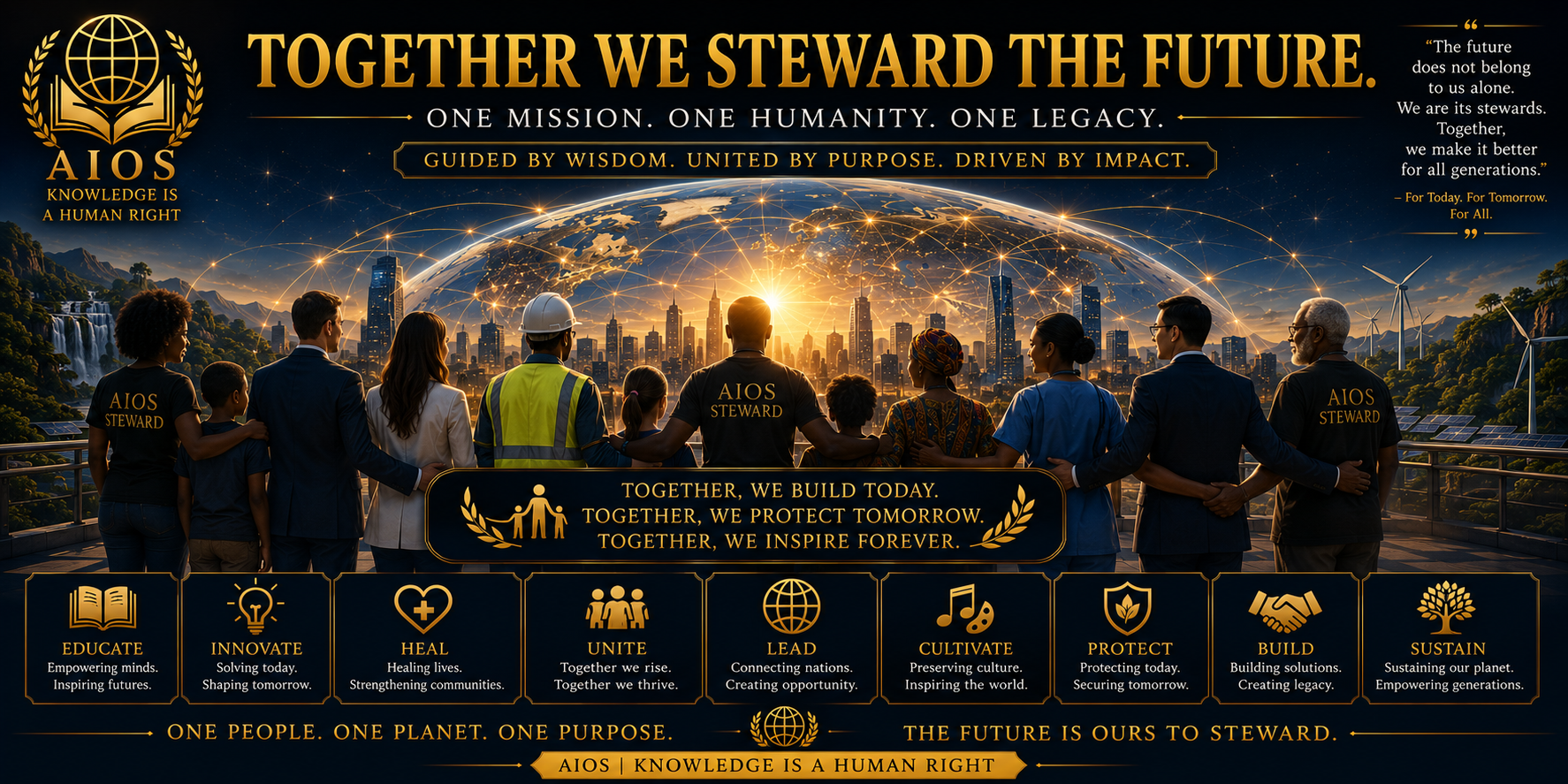 AIOS Stewardship
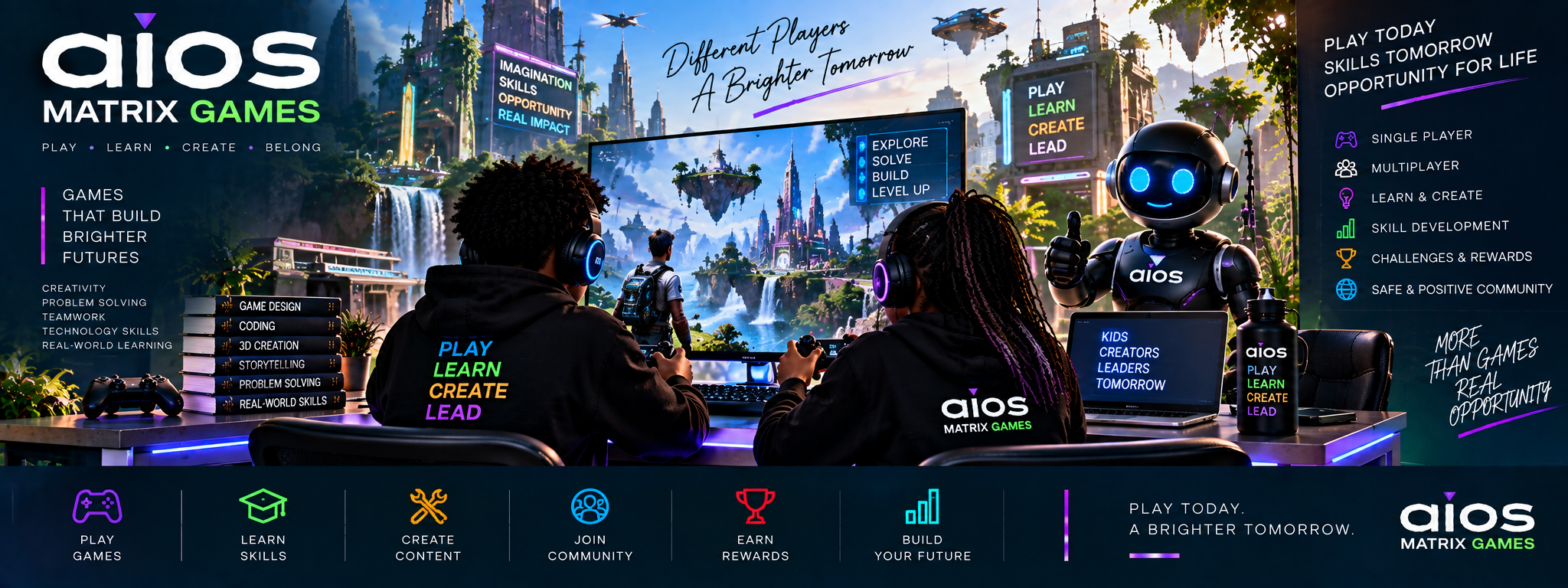 Matrix Ball
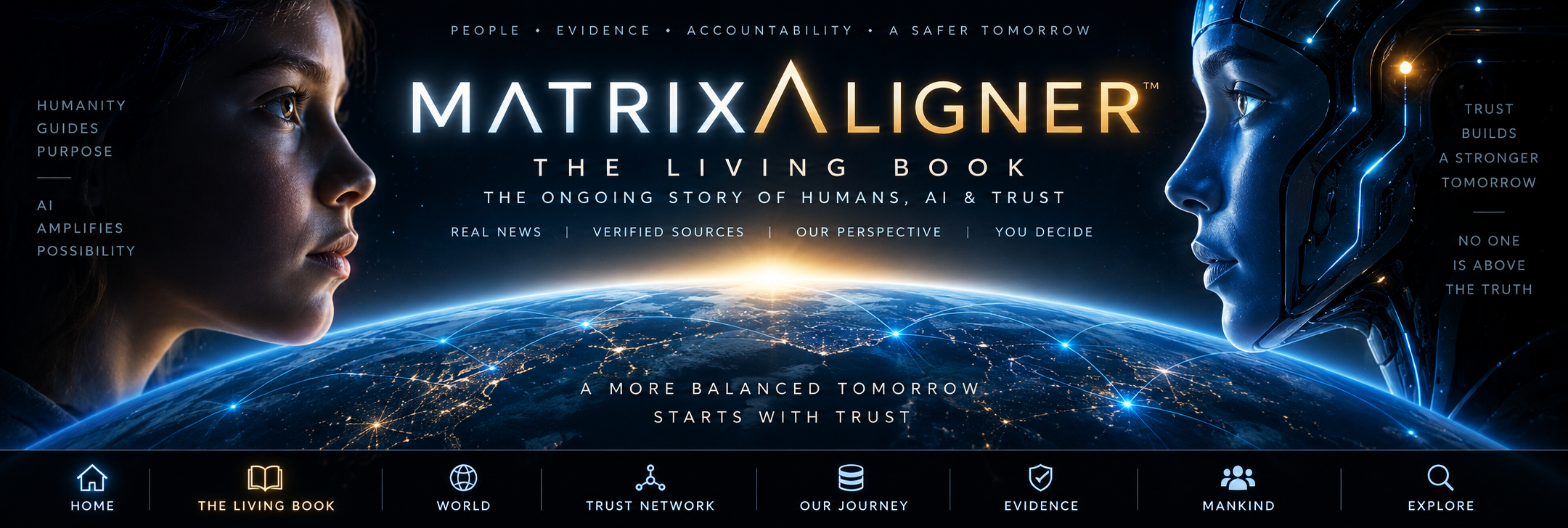 MatrixAligner Living Book
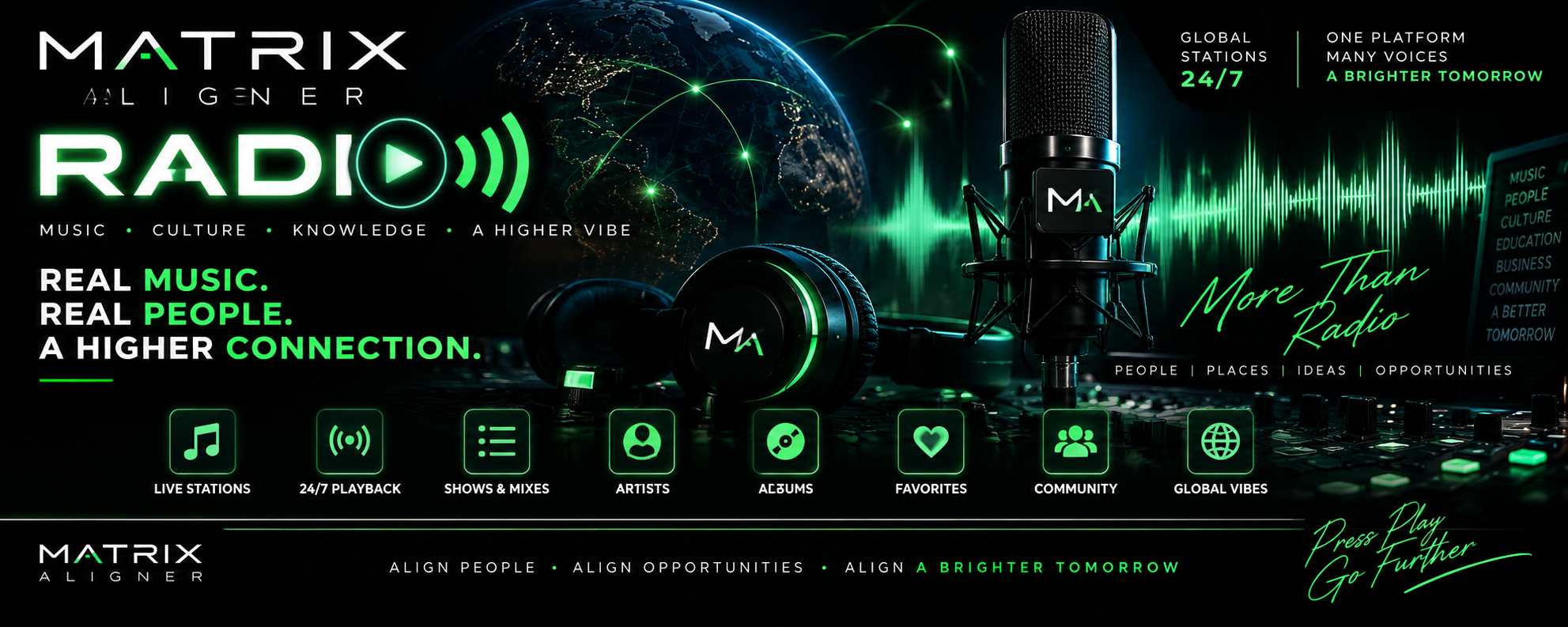 MatrixAligner Radio
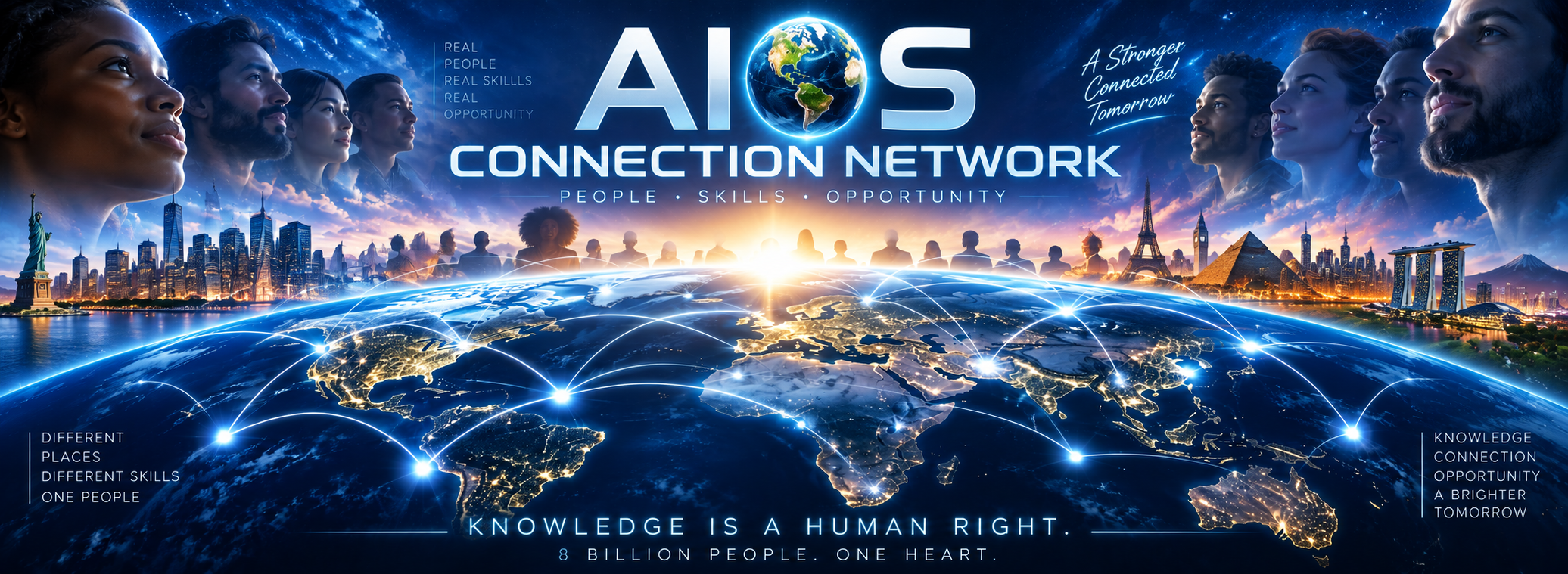 AIOS Connection Network
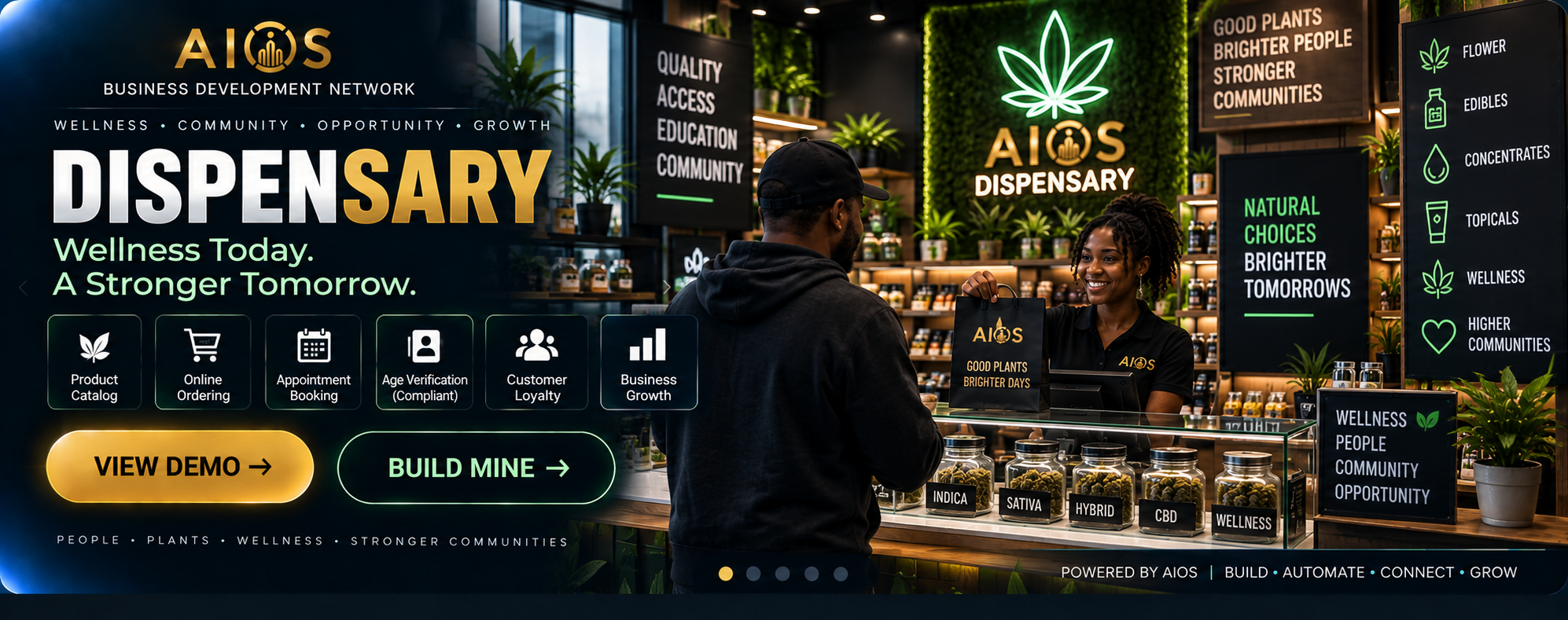 AIOS Dispensary Network
 Jahcore Entertainment Rights — Copyright
 AIOS Cybersecurity
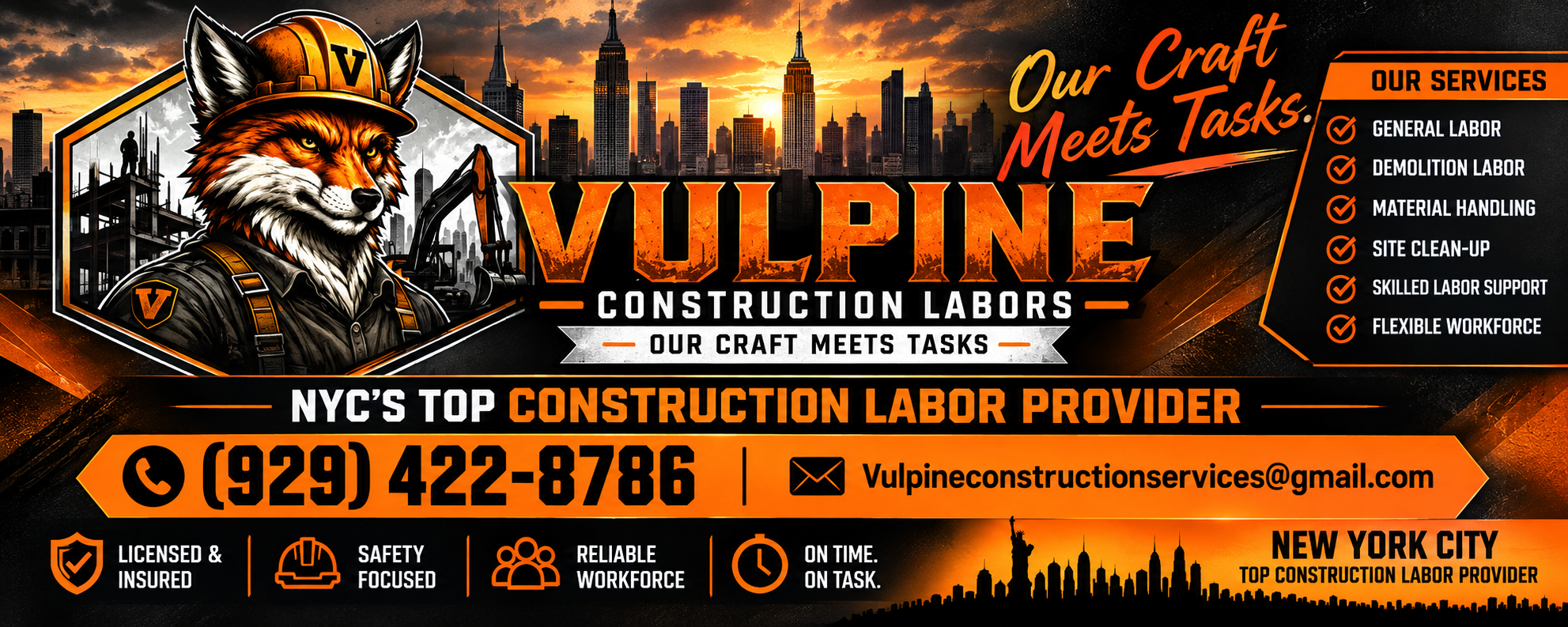 Vulpine
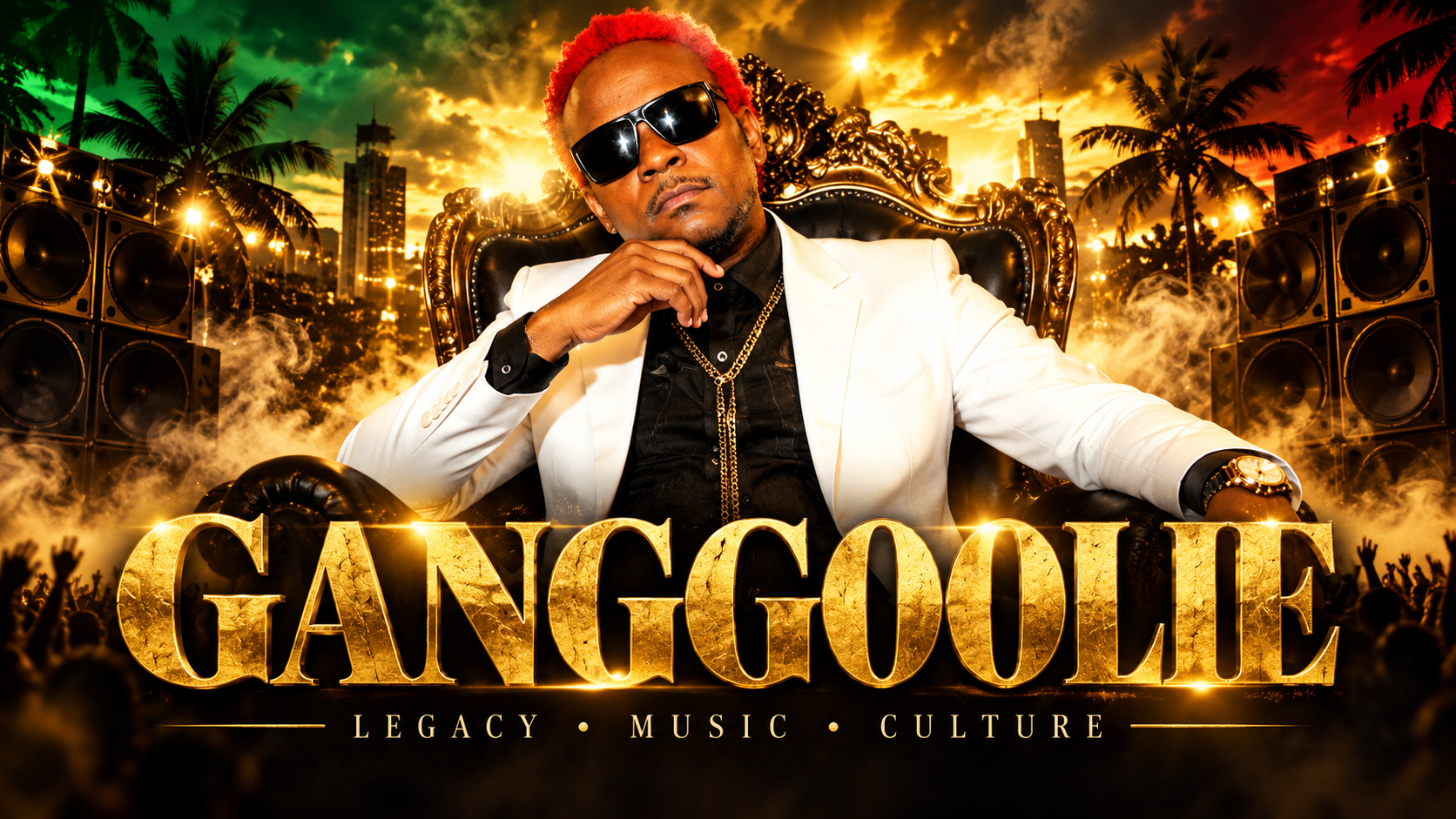




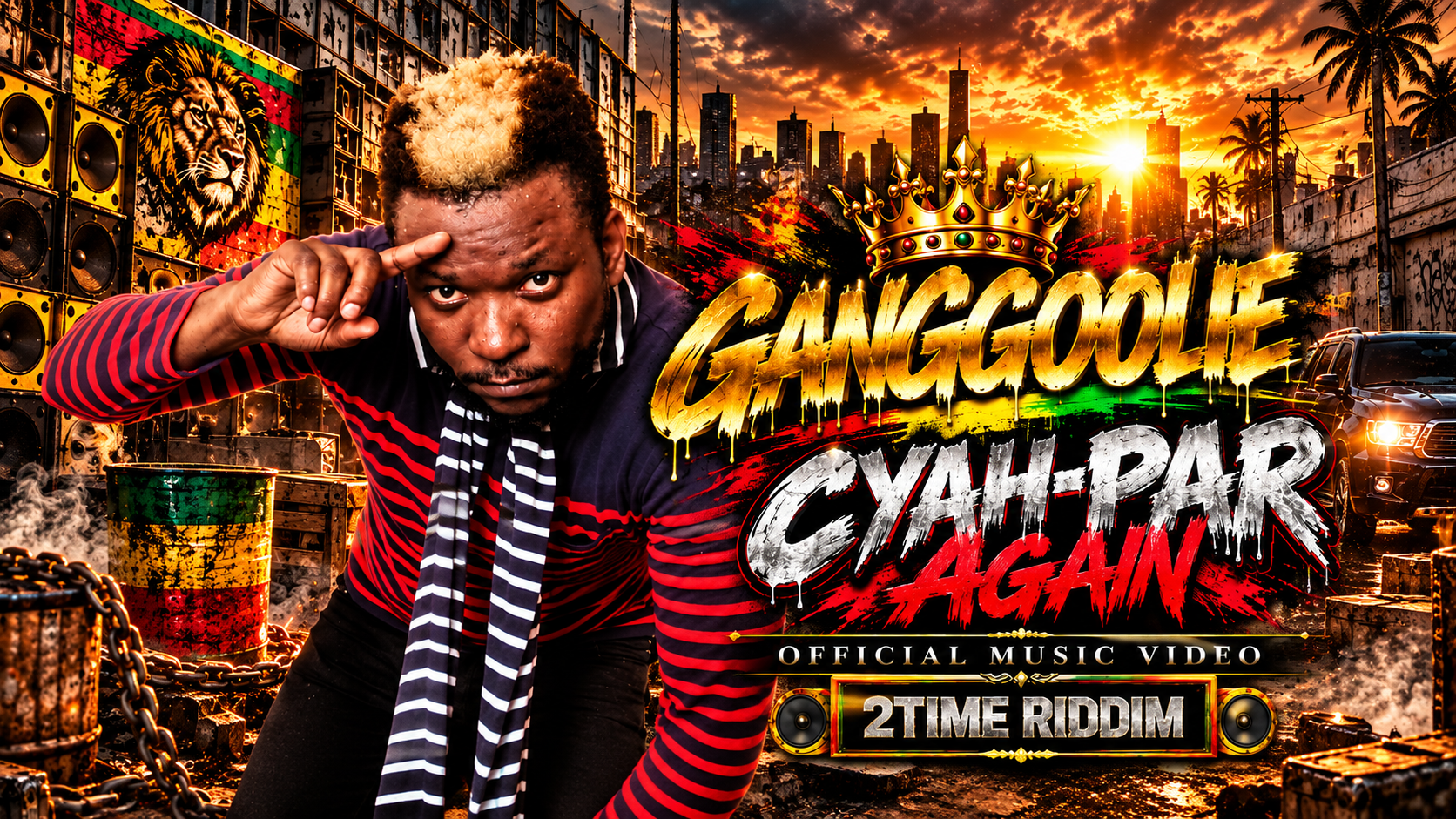











 Vol. 1 · Elemental Matrix
 Vol. 2 · Sovereign Matrix
 Vol. 3 · Jade Matrix
 Vol. 4 · Blair Matrix
 Vol. 5 · Ashanti Matrix
 Vol. 6 · Safi Matrix · My Royal Queen
 Vol. 7 · Hip-Hop
 Vol. 8 · Pop
 Vol. 9 · Soca
 Feetrous Radio
 LBF Stories
 Lustrous Blair
 Rally Bop
 Rally Bop
 Rally Bop
 Rally Bop
 Rally Bop
 Rally Bop
 Rally Bop
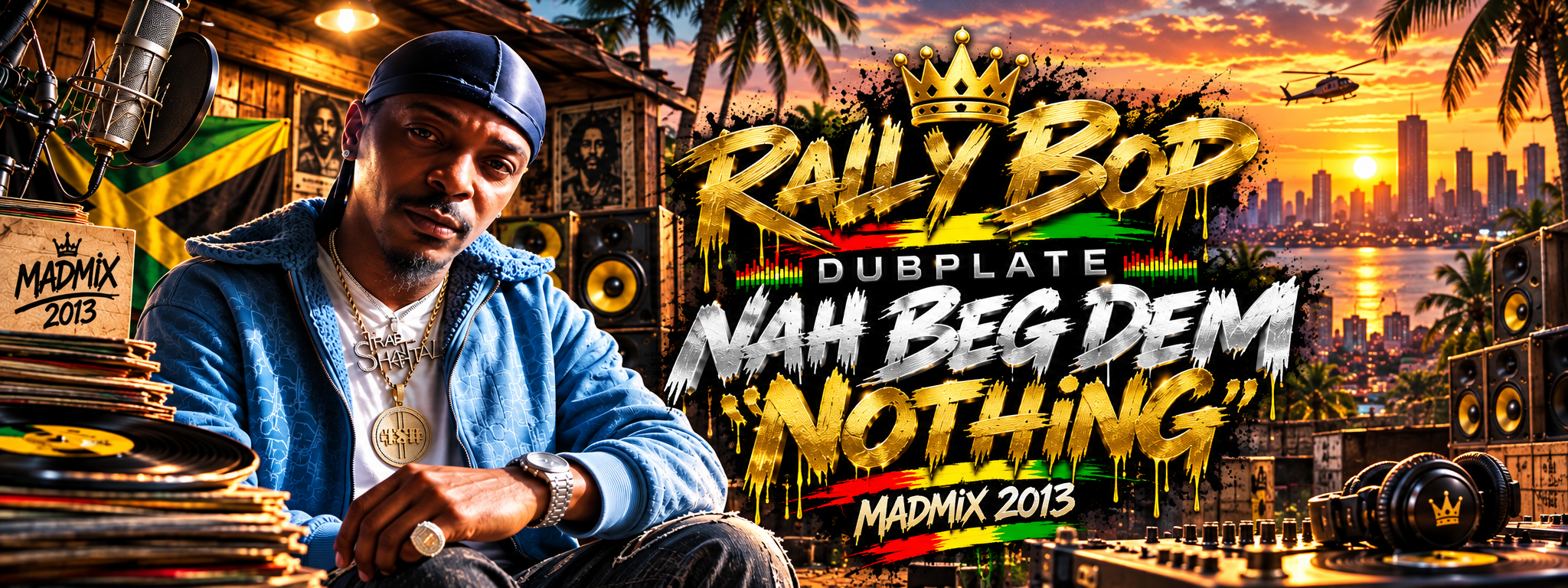 Rally Bop
 Rally Bop
 Rally Bop
 Rally Bop
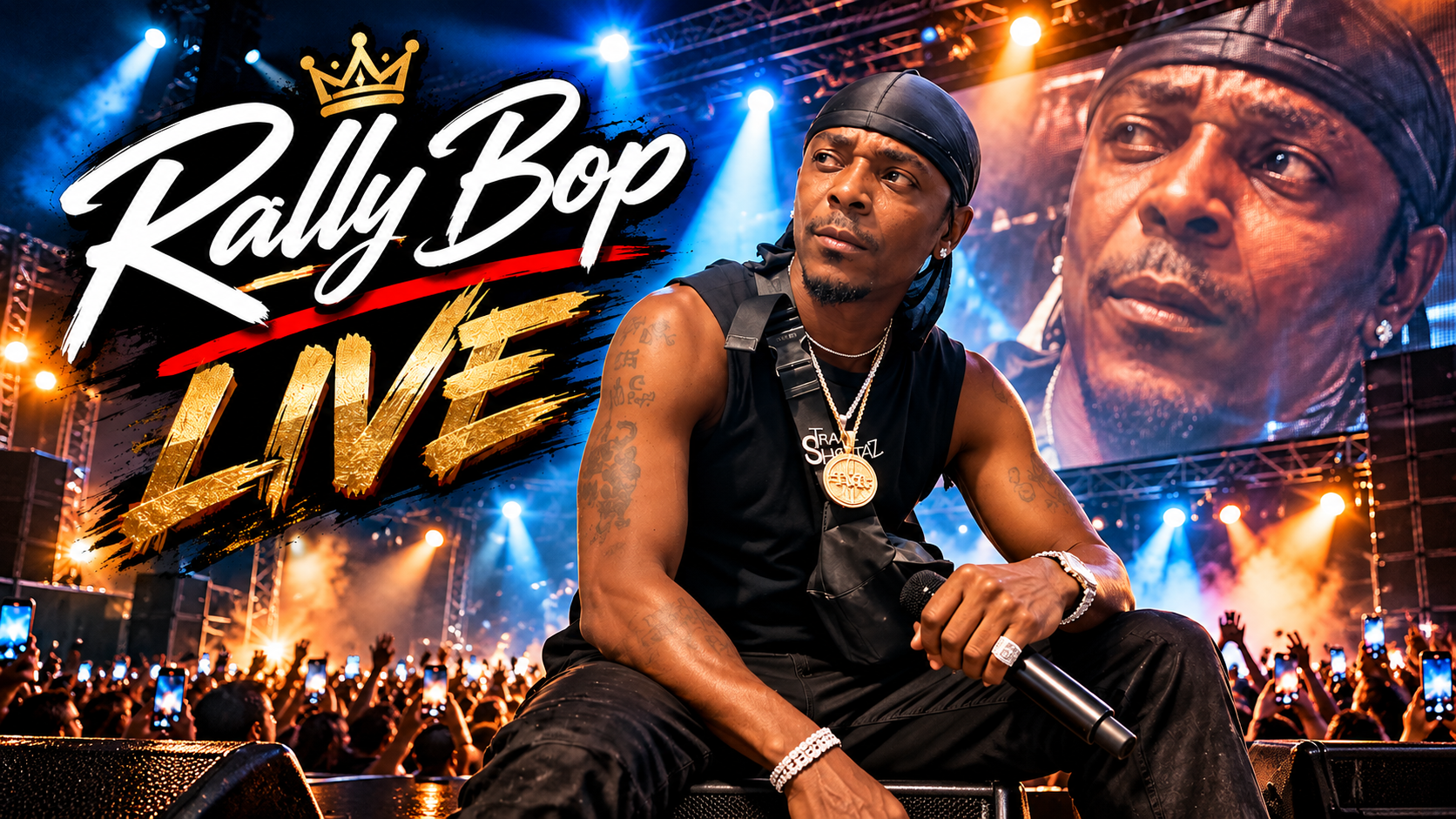 Rally Bop
 Rally Bop
 Rally Bop
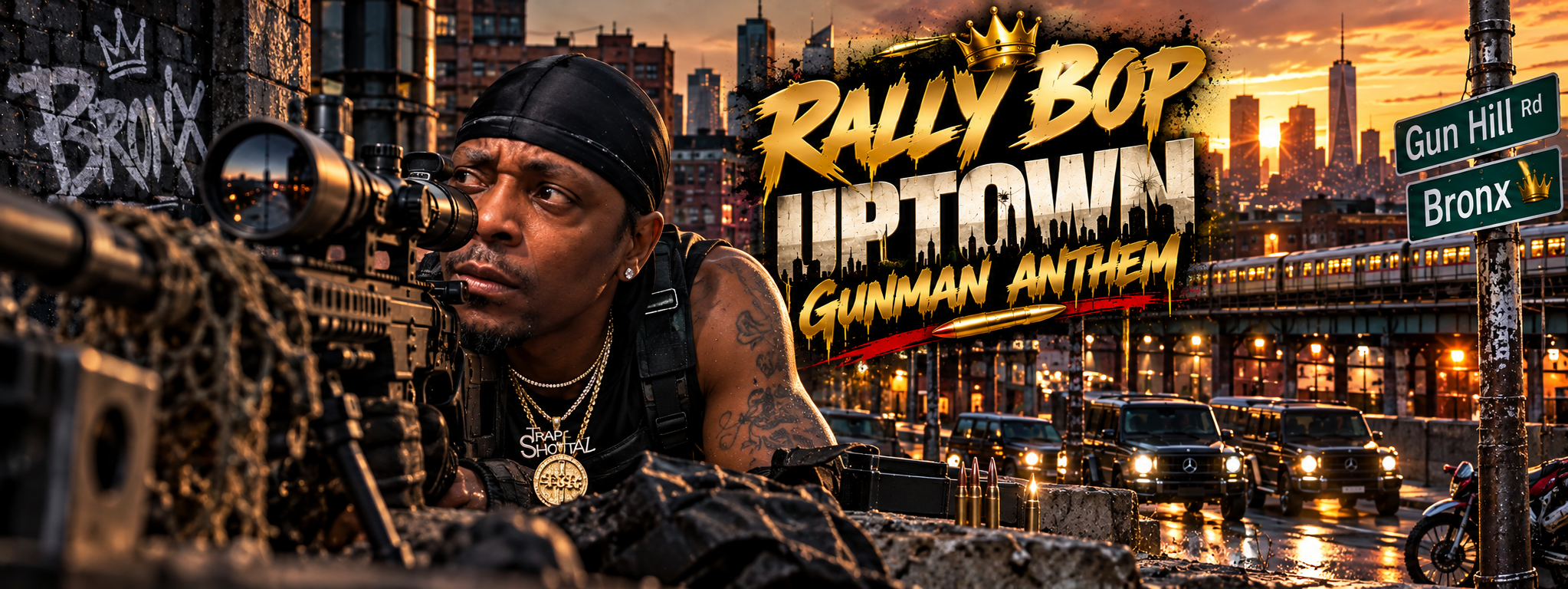 Rally Bop