Lesson 1: Words and Actions Are Not the Same
Talk Big explores the difference between what people claim and what they actually demonstrate. A loud reputation does not automatically prove strength or ability.

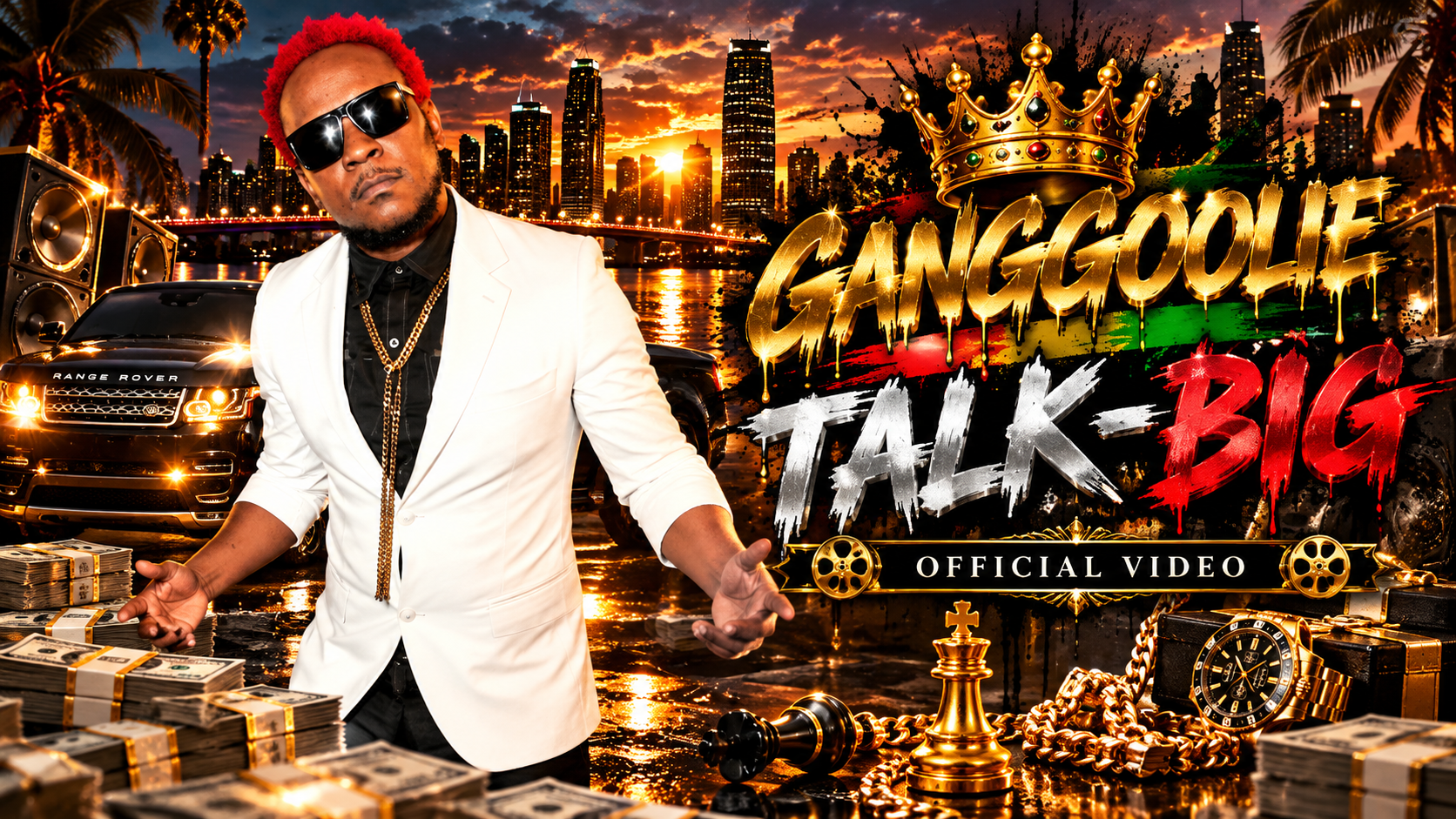
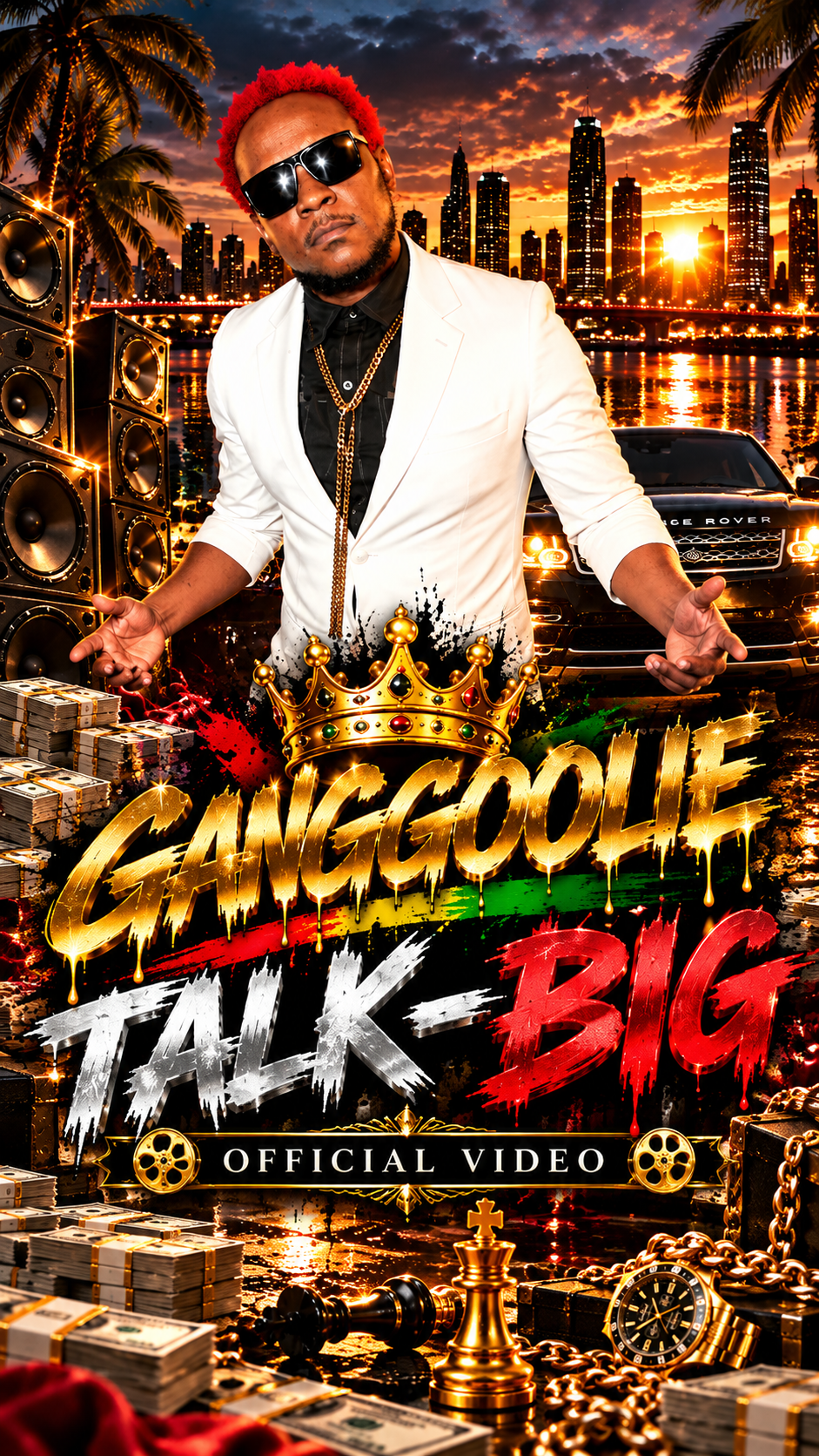
Ganggoolie — Official Artist Collection
Released October 16, 2020 | RME Musiq
Talk Big comes across as a direct challenge to people who build their image through noise, threats, and reputation, but not always through proof. Even in the short lyrical fragments available, the energy of the record is clear. Ganggoolie is not approaching the subject quietly. He is stepping into a dancehall space where words carry attitude, confrontation, and pressure.
The title itself frames the message. To "talk big" is to speak as if your name, your power, or your status cannot be questioned. In this song, Ganggoolie pushes back against that posture. The tension in the lyrics comes from the idea that some people claim strength, claim influence, and claim fearlessness, yet their actions may not match the image they project. That contrast gives the record its edge.
Before the full story opens up, the song can already be understood as a piece of confrontational dancehall built on lyrical bravado, Jamaican patois, and sharp street commentary. It speaks from a place where words matter, reputation matters, and empty talk can quickly become the target of challenge. What follows below expands that idea into the wider story behind the record and the attitude it carries.
Talk Big is built around a simple but powerful idea: there are people who make themselves look larger through words than they do through action. In many communities, and especially in competitive dancehall culture, a person's mouth can become part of their image. Some use words to entertain, some use words to defend themselves, and some use words to create a reputation they want others to believe. Ganggoolie uses this song to question that kind of performance.
From the partial lyrics provided, the record takes aim at people who seem to be wrapped up in talk, rumor, and image. The wording is raw and direct, which fits the style. Dancehall has long carried a tradition of confrontation, verbal combat, and lyrical challenge. That tradition is not always about calm explanation; it is often about pressure, confidence, and who can hold the strongest presence on a rhythm. In that setting, Talk Big feels like a warning to anyone who mistakes volume for substance.
Part of what gives the song its weight is the use of Jamaican patois and vivid street language. Patois does more than translate a message; it carries character, timing, humor, aggression, and social meaning. A line can sound playful and dangerous at the same time, depending on delivery. The fragments shared from the song show that balance. There is exaggeration, challenge, and lyrical aggression, but there is also rhythm in the way the words are put together.
That matters because the force of a dancehall song does not live only in literal meaning. It also lives in performance. The phrases hit because of tone, cadence, and presence. Ganggoolie is not just describing conflict; he is performing a state of alertness and confrontation. The record uses verbal pressure to expose what it sees as false posturing, and it does so in a style that matches the tradition of hardcore dancehall expression.
The violent and threatening imagery in the lyrics should be understood here as artistic expression within that clash-oriented performance space. This page does not treat those images as verified accounts of real-life acts. Instead, they are interpreted as part of the artistic language the song uses to draw its line between those who make real moves and those who only create noise around themselves.
Another striking part of the song is its focus on people watching, talking, and leaking information. That detail widens the meaning of the record. It is not only a challenge to people who boast; it also touches the atmosphere that surrounds them. In many environments, a reputation is built not just by what a person says, but by what others repeat. Rumor becomes part of status. Gossip becomes part of image. A person can be made to look bigger through a whole circle of talk.
Talk Big pushes against that world. It suggests that the louder the claims become, the more people should pay attention to what is actually standing behind them. That idea is bigger than the song itself. It applies to street culture, workplace culture, politics, social circles, and digital life. People often perform confidence long before they demonstrate discipline, honesty, or results. The record catches that habit in a hard-edged way and turns it into lyrical confrontation.
Even without a fully documented public history of the record's original reception, the song still lands because the core message is easy to recognize. Most people have seen someone who "talks big." They have seen the person who moves like their name alone should create fear or respect. They have seen the person who talks louder when their position is weaker. Ganggoolie turns that familiar type into the target of the song and gives the listener a clear sense of where he stands.
At the same time, the record reflects a key strength of dancehall music: its ability to take tension, attitude, and social observation and shape them into something rhythmic and memorable. The song is not presented here as a moral lecture. It is performance first. But inside that performance is a clear challenge about image and reality. If a person's whole identity depends on what they keep saying about themselves, what remains when the talk is stripped away?
That question gives Talk Big more than surface aggression. It gives the song a theme that listeners can follow. Beneath the bold language, the record is really drawing a line between speech and substance. That is why the track can be read not only as hardcore dancehall energy, but also as a commentary on false image, inflated reputation, and the difference between being heard and being proven.
Viewed as a story page, Talk Big represents a moment in Ganggoolie's catalog where the music leans into confrontation, lyrical pressure, and uncompromising voice. Released in October 2020 and carrying an RME Musiq credit, the song stands as part of his recorded output while also reflecting the clash-ready side of dancehall culture. Some production details and public-buzz history remain unverified, so this story does not invent them. Instead, it stays grounded in the available release information, the song title, and the lyrical fragments provided.
What emerges from that material is a track that calls out inflated talk, distrusts rumor-driven image, and uses forceful language to challenge those who claim more than they prove. That tension is the engine of the song. It is what gives the title meaning, what gives the lyrics shape, and what gives the page a story worth reading beyond the official video itself.
Editorial interpretation based on available release information and partial lyrics supplied. Violent imagery is presented here as artistic expression within dancehall performance, not as verified fact.
Talk Big explores the difference between what people claim and what they actually demonstrate. A loud reputation does not automatically prove strength or ability.
The story examines how gossip and repeated claims can shape public perception. What people say about someone is not always reliable evidence of who that person is.
Confidence and lyrical bravado are central to the song's confrontational dancehall presentation. The story asks what remains when bold claims are tested against actions.
The song challenges exaggerated images of power and influence. Its theme encourages listeners to distinguish reputation from demonstrated behavior.
Talk Big uses Jamaican patois, confrontation, and dancehall energy to explore image, reputation, and the relationship between speech and substance.
Explore the message of Talk Big. Select a question to reveal its answer.
The difference between bold claims and actions that support those claims.
Presenting yourself as powerful or unquestionable through words, reputation, or exaggerated claims.
No. It examines the difference between confidence supported by actions and an image built mainly through boasting.
Reputation is one of the central subjects of the song's confrontation. The story asks whether that reputation is supported by actual behavior.
The story discusses how gossip and repeated claims can shape the way people are perceived.
Jamaican patois contributes to the song's direct, confrontational dancehall expression.
Its presentation reflects dancehall traditions of lyrical confrontation, competitive expression, and social observation.
Being heard means gaining attention through words. Being proven requires something more substantial than claims alone.
It examines the gap between the identity people project and what their actions demonstrate.
The story invites listeners to question exaggerated reputations and pay attention to the difference between words and actions.
Approved story links will appear here.
Get updates when new music and stories drop.