IT Support & Cybersecurity
Technology support, systems, networks and cybersecurity.
Explore This Category
AIOS CONNECTION NETWORK
Connection creates opportunity. Build stronger networks. Discover the knowledge and skills already around us.
WHY WE CONNECT · 5 MINUTE READ
Every opportunity begins somewhere, and very often it begins with a connection. A conversation. An introduction. A person who knows something you do not know yet. A person who sees a skill in you before the rest of the world notices it. A person who opens a door, shares knowledge, offers direction, or simply tells you that the next step is possible.
That is why the AIOS Connection Network exists. It is not built around the idea that people are numbers, followers, contacts, or statistics. It is built around a simpler truth: people need people. Knowledge becomes more powerful when it can move between us. Skills become more valuable when they can be seen. Opportunity becomes more reachable when the right people are able to find one another.
Too many people move through life with talent that remains invisible outside their immediate circle. A mechanic may know how to solve a problem that saves a business thousands of dollars. A nurse may understand a community need that never reaches the people designing healthcare systems. A young developer may have the ability to build something important but no path to the person who can help turn the idea into a working product. An experienced worker may have decades of knowledge that disappears when nobody creates a bridge for that knowledge to reach the next generation.
Connection changes that. It creates movement between knowledge, experience, work, education, business, creativity, technology, and community. The purpose of a real connection network is not to make everyone know everyone. The purpose is to make it easier for the right people, skills, and opportunities to meet at the right time.
This network is organized around professional and human pathways because people do not all arrive through the same door. Someone may enter through cybersecurity. Someone else may come through healthcare, finance, engineering, aviation, compliance, software development, safety, or community leadership. The category is only the doorway. Behind every doorway is a person with experience, goals, responsibilities, questions, and something they may be able to contribute.
A trusted network also has to respect boundaries. Connection should not mean collecting private address books, building hidden relationship maps, or treating personal information as raw material. People should choose when they connect. They should understand why the connection exists. A network should help create introductions and pathways without pretending that access to a person's private life is the price of participation.
That is especially important in a world where digital systems can easily confuse visibility with trust. A large profile does not automatically mean a trustworthy person. A title does not tell the entire story. A résumé does not capture every skill. Trust has to grow through behavior, useful participation, reliable information, and the way people treat one another.
The Connection Network therefore represents more than a directory. It is a bridge between the wider AIOS ecosystem and the people who make that ecosystem meaningful. Education can lead toward workforce opportunity. Workforce knowledge can lead toward business development. Business experience can become mentorship. Creative work can become collaboration. Community knowledge can become a better solution. One connection can become the first link in an entirely new path.
There is another reason this matters: no one person knows everything. No company knows everything. No technology knows everything. Strong systems are built when different kinds of knowledge can meet without one voice having to erase another. A healthy network gives people room to contribute what they know while remaining open to what someone else may know better.
That idea becomes even more important as artificial intelligence grows. Technology may help us search faster, organize more information, translate across languages, or discover patterns. But the value of those tools still depends on human purpose. Technology can help identify a possible connection; people still decide whether that connection has meaning.
The long-term vision is simple: make knowledge easier to reach, make useful people easier to discover, and make opportunity less dependent on already being inside the right room. A person should not need wealth, status, or an elite network before they can begin building one meaningful connection at a time.
That is what “Connection Creates Opportunity” means here. It is not a slogan about collecting more contacts. It is a reminder that human progress has always depended on people sharing, teaching, introducing, building, and carrying knowledge forward.
Eight billion people do not need eight billion identical paths. We need better bridges between the paths we already have.
The cards and categories below are the beginning of those bridges. Explore them as doorways into skills, professions, knowledge, and people. The goal is not simply to see who is in the network. The goal is to understand what becomes possible when human knowledge is allowed to connect.
PEOPLE • SKILLS • OPPORTUNITY
Universal professional categories provide the doorway. Real connection records remain governed separately.
Technology support, systems, networks and cybersecurity.
Explore This Category
Financial services, planning and related professional work.
Explore This Category
Software engineering, development and digital systems.
Explore This Category
Infrastructure supporting AI, compute and data-center systems.
Explore This Category
Data systems and technology-focused professional work.
Explore This Category
AI safety, protection systems and responsible technology.
Explore This Category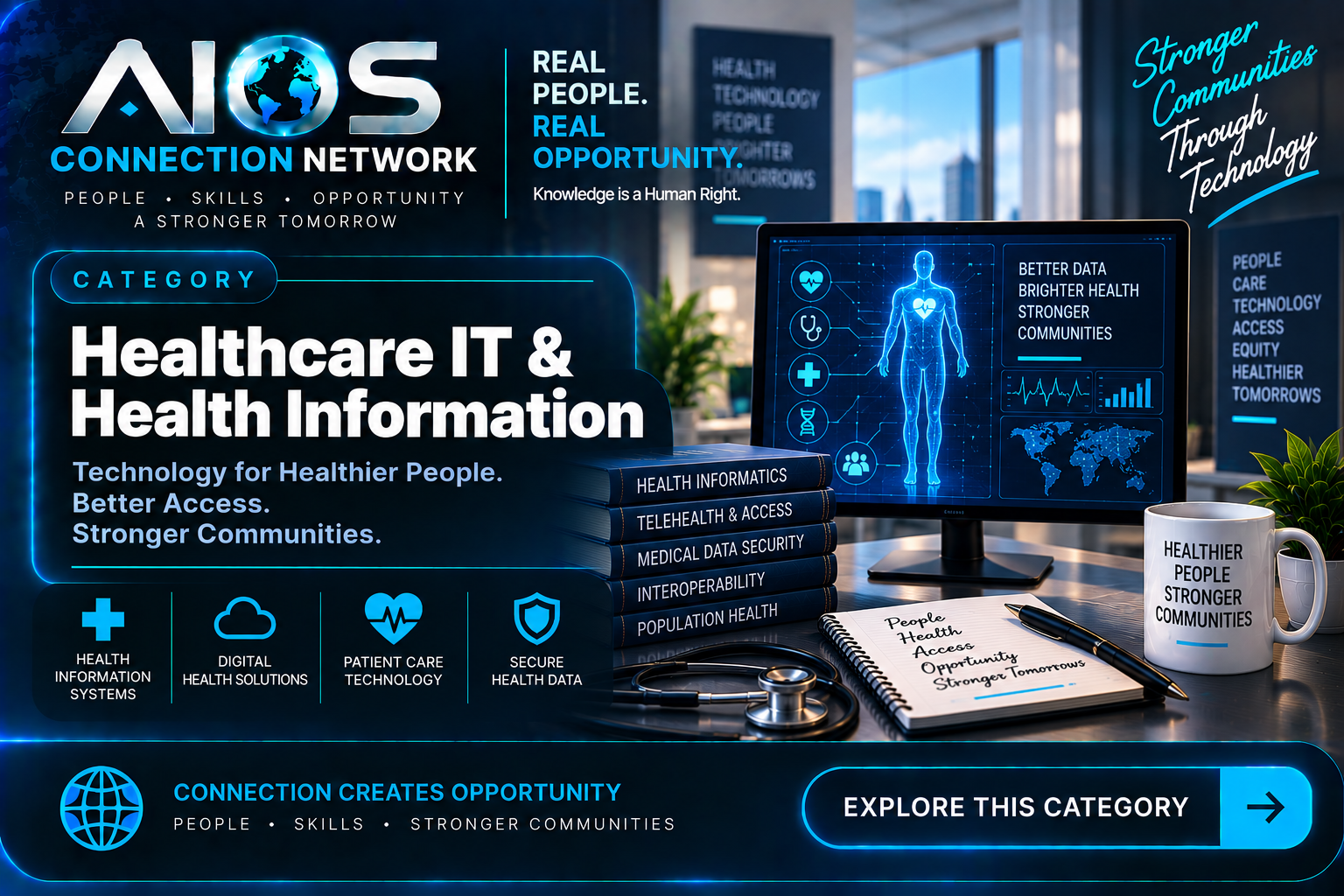
Health information systems and healthcare technology.
Explore This Category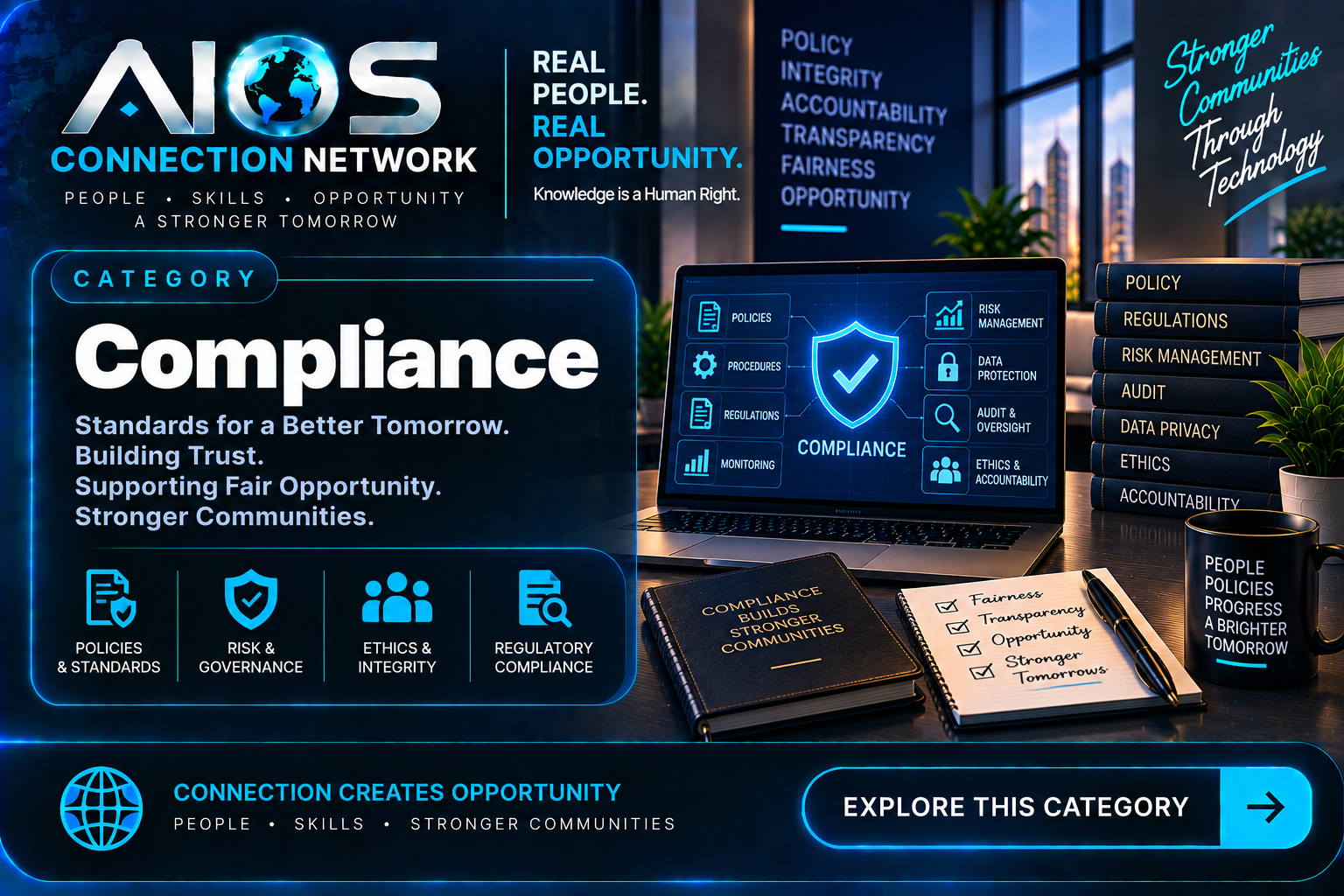
Compliance and related professional disciplines.
Explore This Category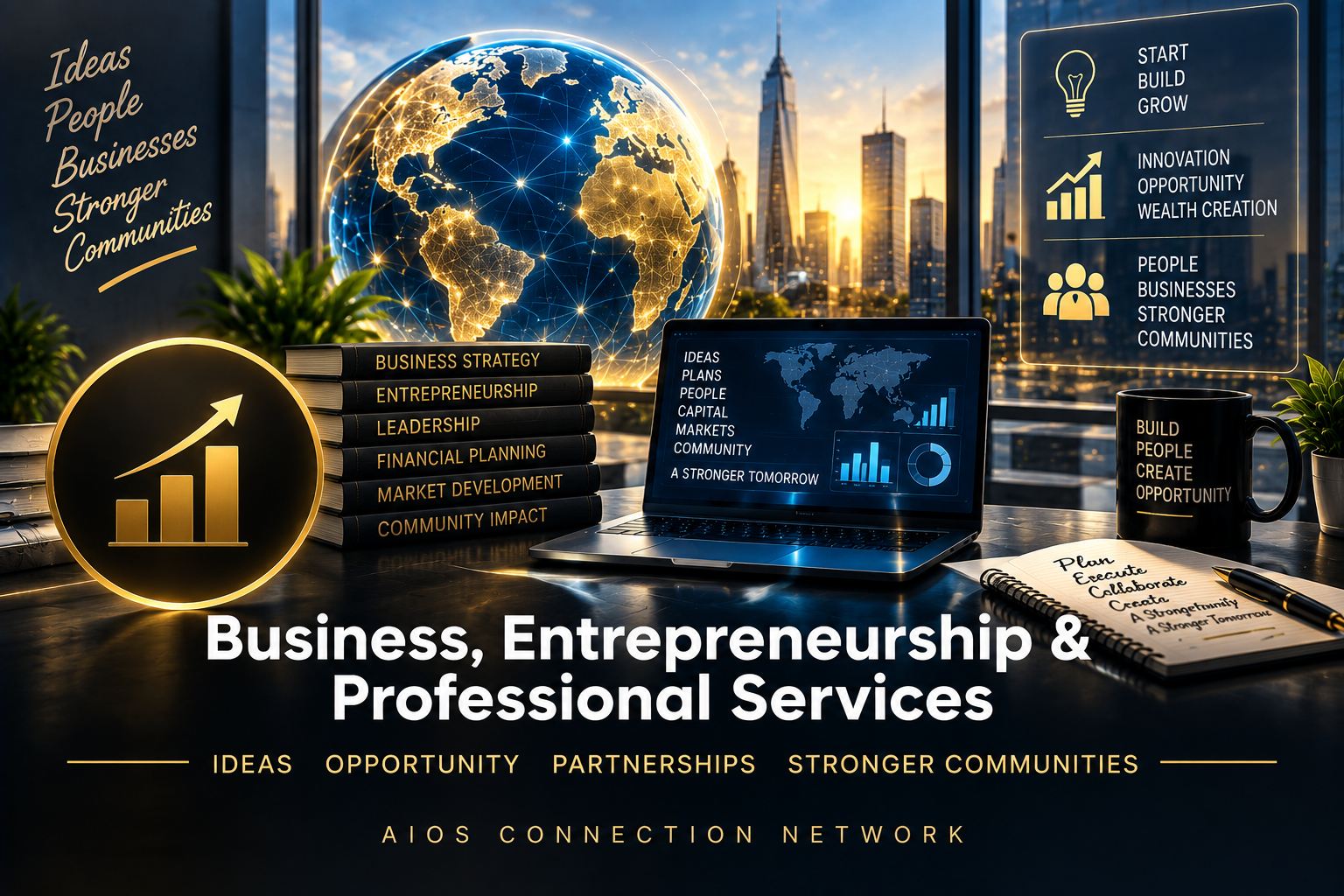
Business ownership, entrepreneurship and professional services.
Explore This Category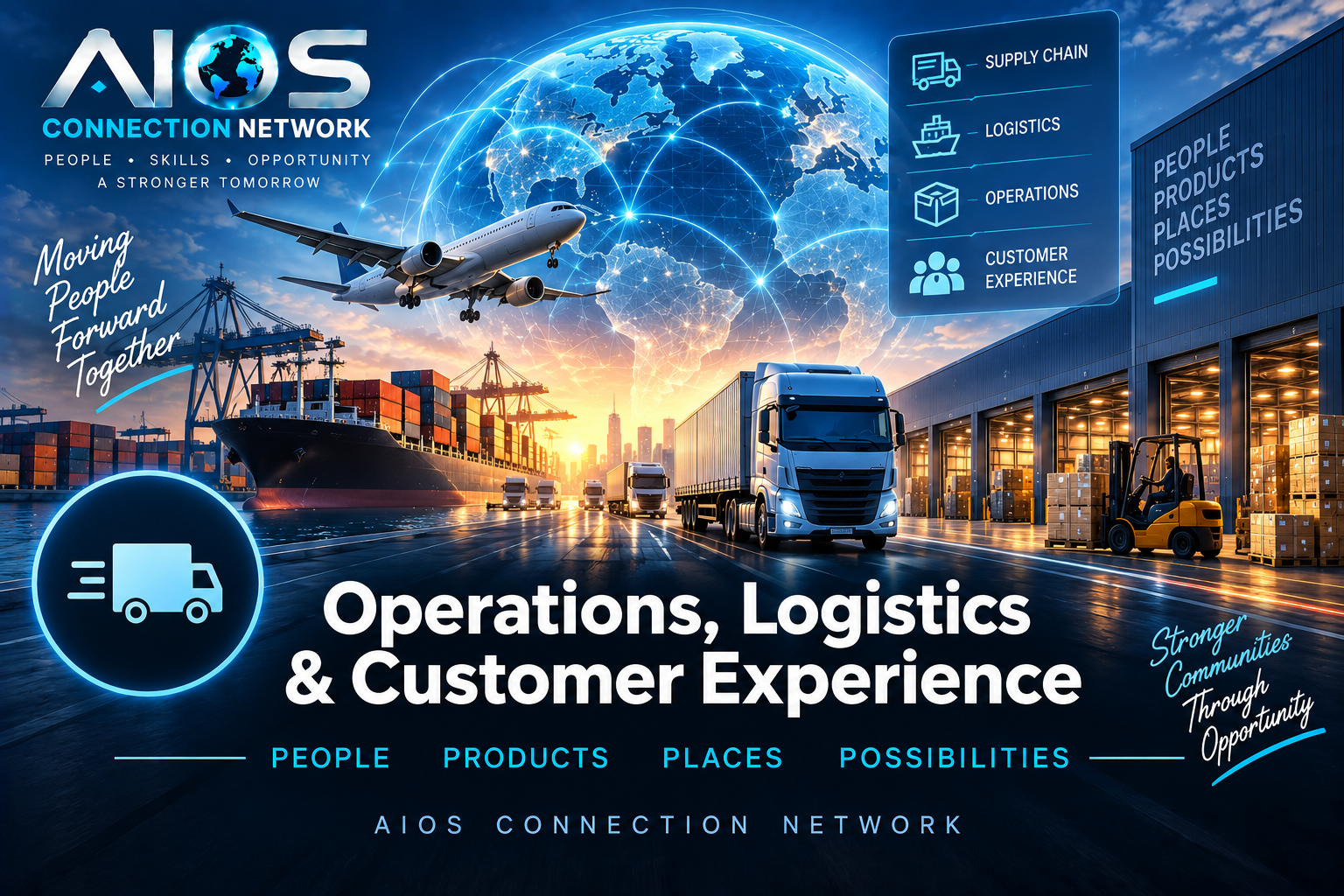
Operations, logistics, supply chain and customer experience.
Explore This Category
Education, community programs and organizational development.
Explore This Category
Creative work, media, marketing and event experiences.
Explore This Category
Healthcare, medical and clinical professional work.
Explore This Category
Safety, environmental health and safety, and quality assurance.
Explore This Category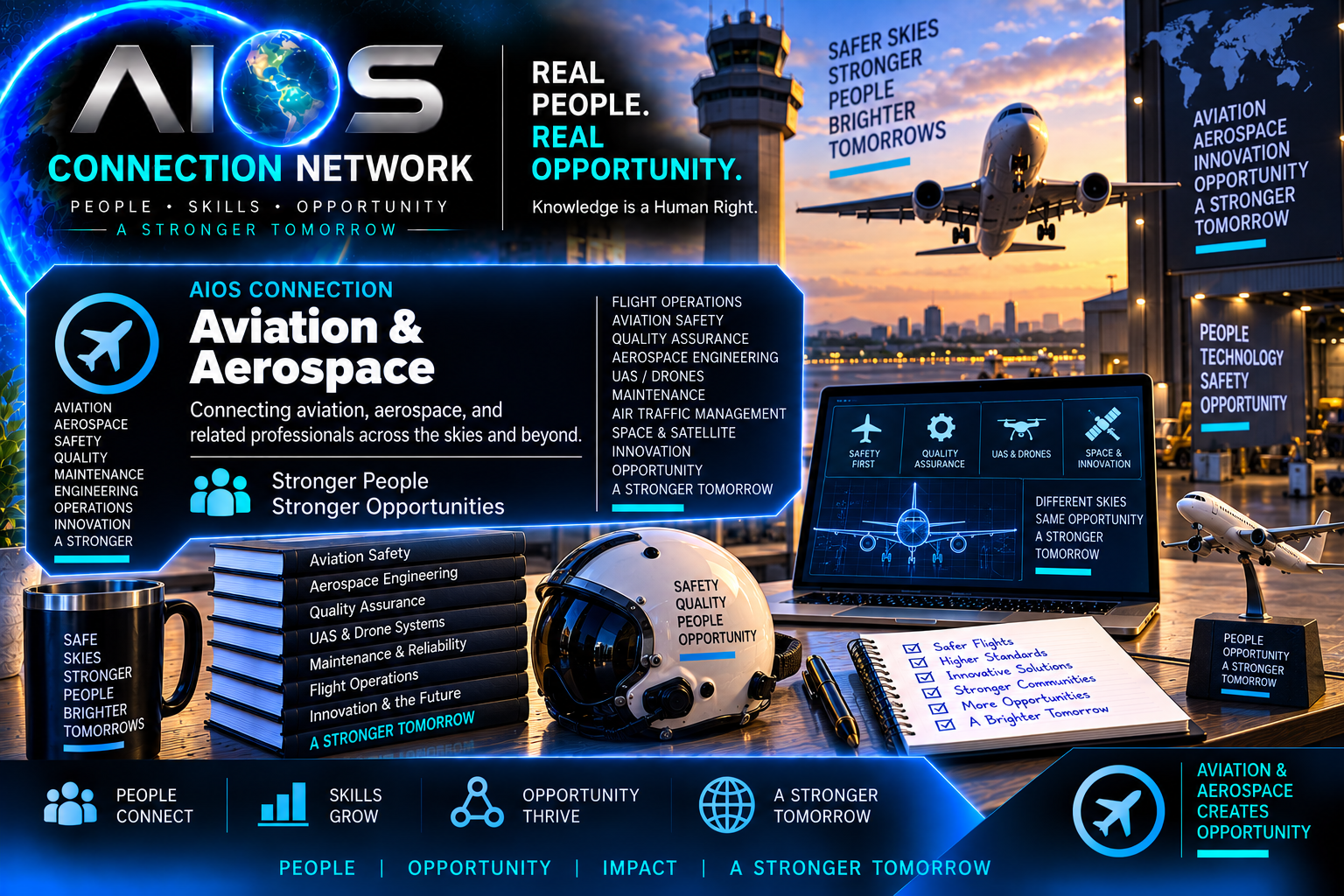
Aviation, aerospace, aircraft and related professional work.
Explore This Category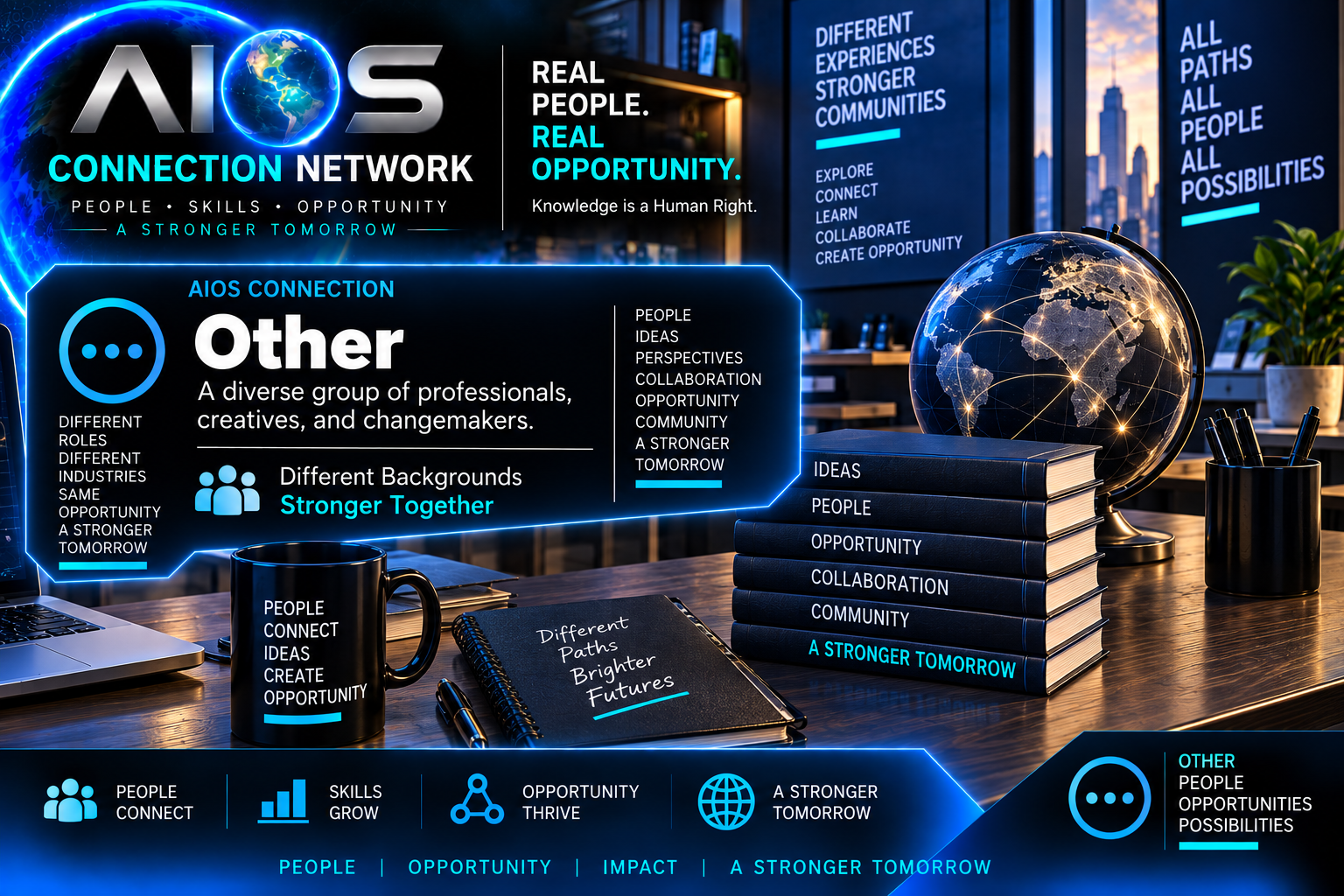
Professional connections not represented by another published category.
Explore This Category
WHY WE CONNECT · 5 MINUTE CLOSING
A connection network is not valuable simply because many people appear inside it. Its value comes from what those connections make possible. A name on a screen is only the beginning. The real question is whether people can discover knowledge, skills, guidance, opportunity, collaboration, mentorship, or community through the network around them.
The strongest networks do not treat people as inventory. They recognize that every person enters with a different history, different experience, different responsibilities, and different goals. Some people are searching for work. Some are building businesses. Some are learning. Some are teaching. Some are creating. Some are trying to solve a problem in their community. Others may simply be looking for the right person to ask one important question.
That is why connection must remain human-centered. Technology can organize information and make discovery easier, but it should not decide that two people belong together simply because an algorithm sees a pattern. A useful system can suggest a doorway. People still decide whether to walk through it.
Trust matters just as much as discovery. Professional titles, descriptions, and categories can help people understand one another, but trust should not be created by presentation alone. It grows through reliable participation, accurate information, respectful behavior, useful contribution, and time.
The Connection Network is therefore designed around pathways rather than promises. A category can help someone discover a field. A profile can help someone understand another person's experience. A connection can begin a conversation. Education can create a new skill. Workforce programs can create preparation. Business systems can create opportunity. None of those steps guarantees an outcome, but together they can make the next step easier to find.
This matters because access has never been distributed equally. Some people grow up surrounded by professionals, mentors, business owners, educators, and people who know how systems work. Others may possess the same ability but have no direct bridge into those networks. A better connection system can reduce that distance by making knowledge and opportunity easier to discover.
It can also help protect something that is often lost: experience. Every workplace, neighborhood, profession, and family contains knowledge that may never appear in a textbook. When experienced people can connect with younger workers, students, creators, builders, and entrepreneurs, that knowledge has a chance to continue instead of disappearing.
The same idea applies across industries. Healthcare can learn from technology. Technology can learn from community leadership. Business can learn from workers. Education can learn from employers. Creators can learn from engineers. Engineers can learn from the people who actually use what they build. Connection allows knowledge to move across boundaries that would otherwise remain separate.
A network should also respect privacy and choice. People should not have to surrender private address books or hidden personal relationships simply to participate. A genuine connection should come from voluntary interaction, not invisible collection. People should know when they are connecting and why.
The goal is not to make every person visible to everyone. The goal is to create enough structure that people can discover the right doorway without losing control of their own boundaries. That is the balance between connection and trust.
Over time, the network can grow with new professions, new skills, new communities, new education pathways, and new forms of collaboration. But the purpose should remain the same: helping people reach knowledge and opportunity through meaningful human connection.
The technology may become more advanced. Search may become smarter. Artificial intelligence may become better at organizing information and identifying useful pathways. But the heart of the network should remain simple.
People are not data points waiting to be collected. They are participants with knowledge, dignity, experience, and potential. A trusted connection network should help those things move farther, not reduce them to numbers.
That is why we connect.
It is a structured network designed to help people discover professional skills, knowledge, pathways, and connections across different fields and communities.
Connection helps knowledge move between people. It can create introductions, learning opportunities, mentorship, collaboration, workforce pathways, and business relationships.
No. Profiles and categories are discovery tools. The larger purpose is to help people understand where knowledge and opportunity exist and how they may connect with them.
No. A professional category or description helps organize information, but trust develops through accurate information, useful participation, respectful behavior, and time.
Categories make a large network easier to explore. They act as doorways into fields such as technology, healthcare, finance, engineering, safety, compliance, aviation, and other areas.
Education can help people build knowledge and skills that later connect to workforce, business, creative, and community opportunities throughout the wider ecosystem.
Technology can help organize information and surface possible pathways, but people should decide whether a connection is appropriate and meaningful.
Connection should be voluntary. The network should not depend on collecting private address books or secretly building personal relationship maps in order to create useful pathways.
Yes. New professional areas, skills, education pathways, communities, and useful services can be added as the ecosystem develops.
The larger purpose is to make knowledge, skills, and opportunity easier to discover while preserving human choice, dignity, trust, and meaningful participation.
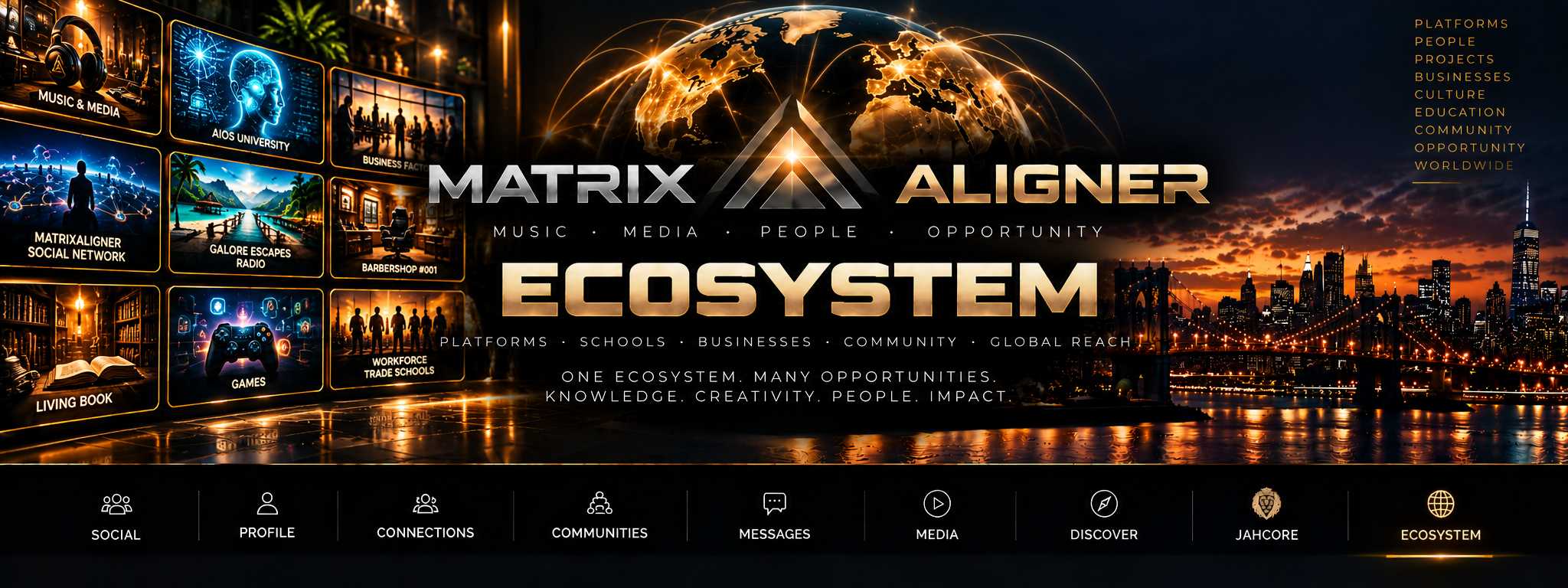
Connection is the bridge. Knowledge is what crosses it. Opportunity is what can exist on the other side.
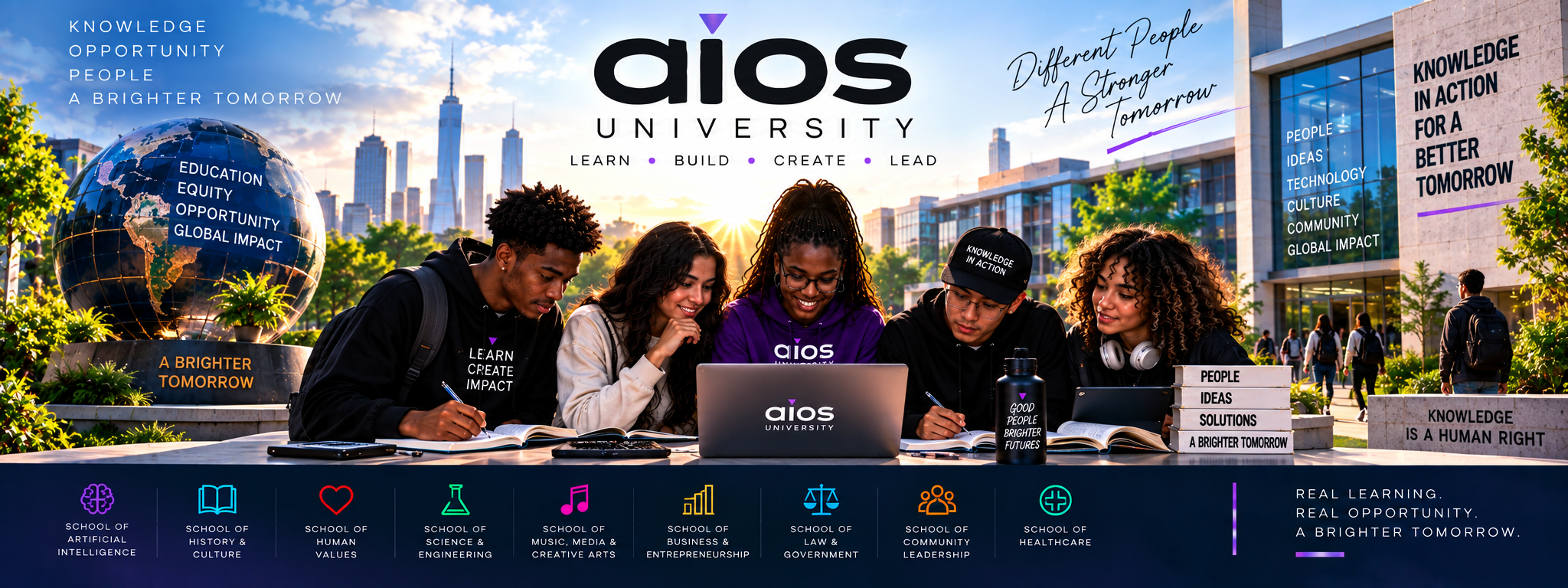
AIOS UNIVERSITY
REAL PEOPLE. REAL OPPORTUNITY.
Connection information shown by AIOS must come from governed, evidence-bound records. AIOS does not invent professional claims.