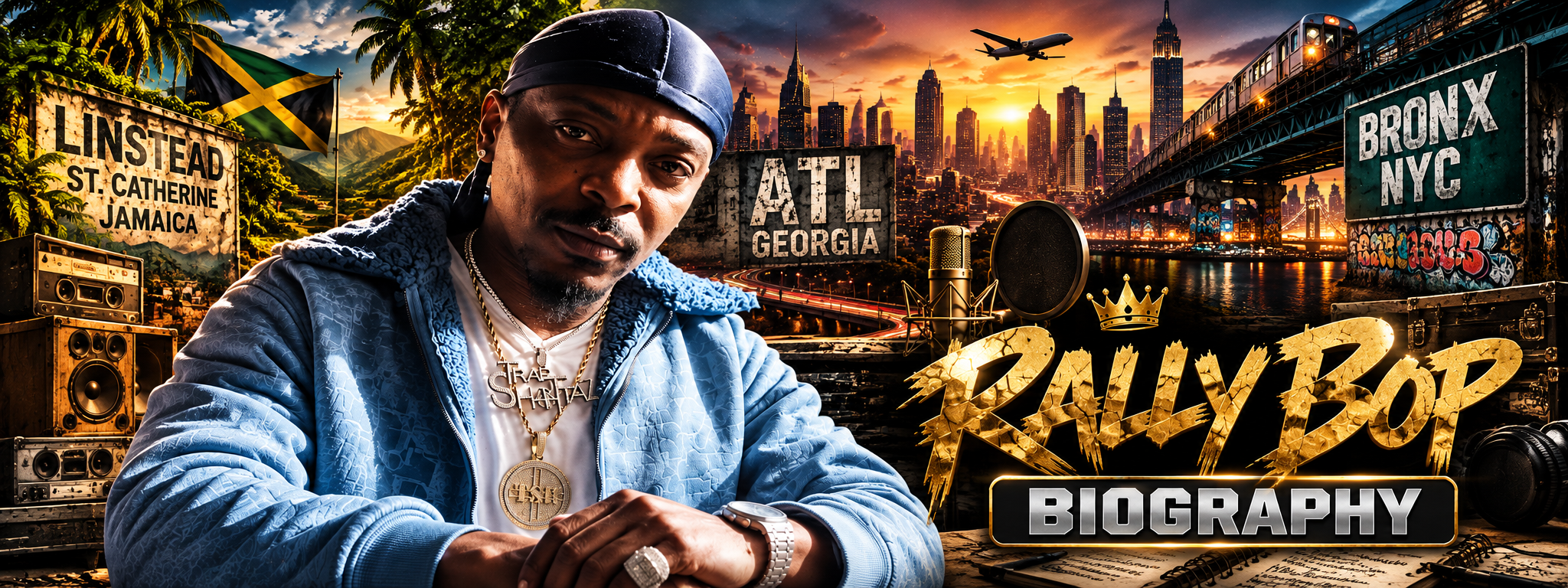
Chapter 1 — The Young Voice From Linstead
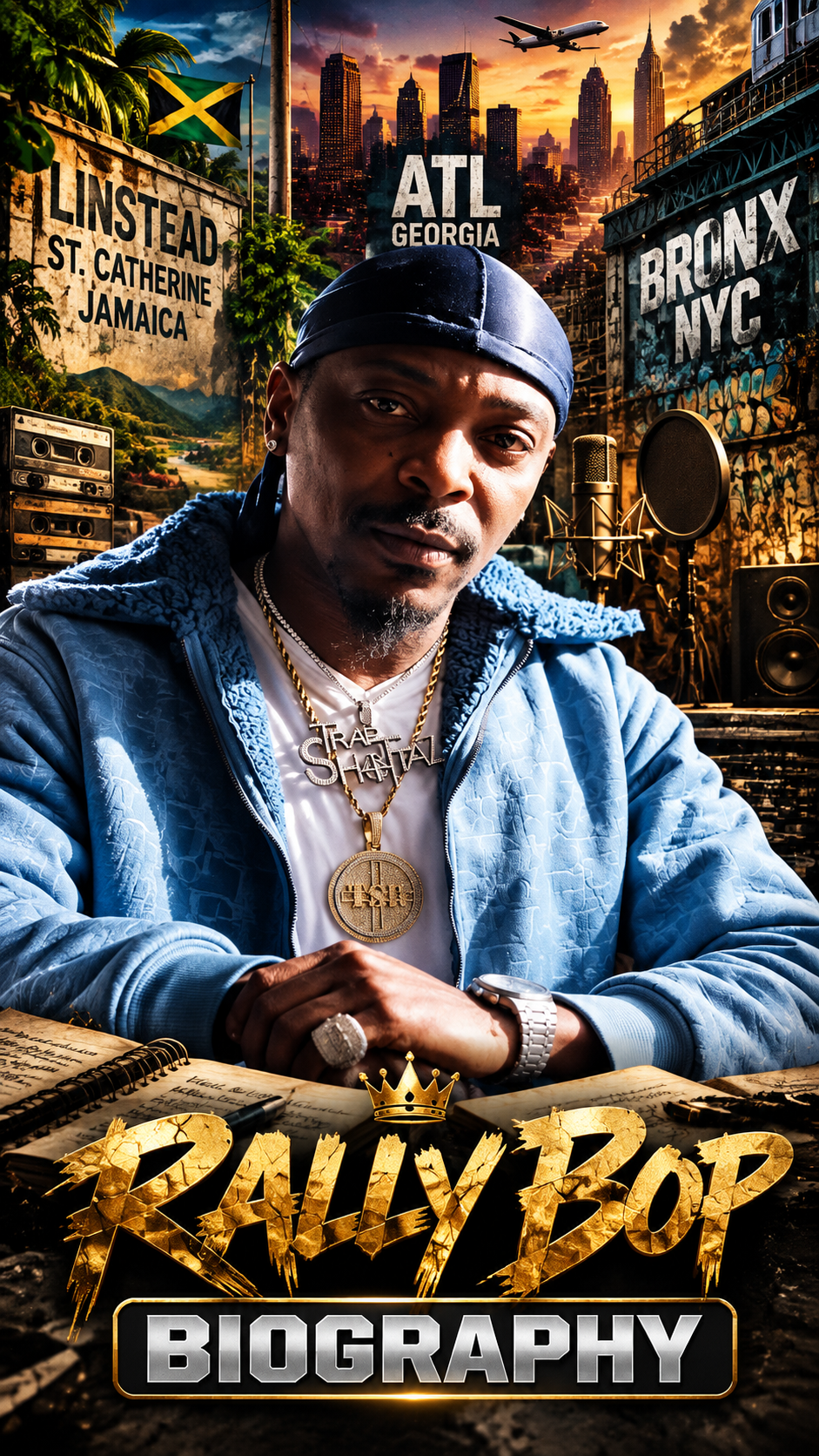
Long before the stage lights, recording studios and international recognition, there was Rohan Wilson, a young boy growing up in Linstead, St. Catherine, Jamaica. The island's musical culture would become the foundation of the artist later known as Rally Bop.
By the age of twelve, he was already writing poetry and performing. Those early experiences helped him develop the confidence to express his ideas through rhythm, storytelling and performance.
His story did not begin with a record deal or an award nomination. It began with a young person discovering a voice and learning how to use it.
Chapter 2 — Jamaican Roots, Bronx Energy
Rally Bop moved to New York at the age of eleven. In the Bronx, he encountered a musical environment shaped by hip-hop, Caribbean sound systems and the experiences of immigrant communities.
His uncles' Jamaican sound system provided an important connection to the culture he had known growing up. Reggae and dancehall remained part of his musical identity while American hip-hop introduced additional influences.
Over time, these sounds became part of his signature Dancehall Trap approach: Jamaican rhythms, contemporary production and lyrics reflecting the environments he knew.
The connection between Jamaica and New York was not simply a musical influence. It was part of his life, his community and the identity he carried into his recordings.
Chapter 3 — The Clubs, Producers and Sound Systems
By 1995, Rally Bop was appearing in West Indian clubs in Queens. These performances offered an opportunity to connect directly with Caribbean audiences and develop the discipline required of a live entertainer.
By 1997, he was recording with producers, gaining experience in the studio while continuing to perform.
In an artist biography supplied to Mad Mix Tube in April 2023, Rally Bop was described as an early supporter of Bronx producers and developing sound systems. The account credits him with recording dubplates and helping some producers obtain their first songs.
A dubplate is more than a recording in sound-system culture. It can establish a relationship between an artist, a selector and an audience. These contributions illustrate how musical communities are built through participation as well as public recognition.
Chapter 4 — Sharing the Stage
Live performance became one of the defining parts of Rally Bop's career. The stage demanded more than recorded talent: an artist had to connect with the crowd, control the moment and deliver under pressure.
New York promotional accounts associated him with events including the Westchester Reggae Festival, Reggae Carifest and Irie Jamboree. Those accounts also described appearances alongside performers including Damian Marley, Elephant Man and Sizzla. Specific dates for some appearances remain unverified.
The April 2023 artist biography additionally described stage connections with Bounty Killer, Baby Cham and Elephant Man. These are retained as artist-provided career accounts rather than independently confirmed individual performances.
Whether performing in a nightclub or at a major festival, every appearance contributed to his experience and helped strengthen his relationship with dancehall audiences.
Chapter 5 — Irie Jamboree and the Historical Record
One documented moment in Rally Bop's performance history came at Irie Jamboree in Jamaica, Queens, in 2009.
A QueensBuzz journalist reported seeing Rally Bop following his performance and photographed him backstage with his entourage. That contemporary account provides a surviving record of his participation in the event.
The importance of such evidence extends beyond one artist. Flyers, photographs, recordings and eyewitness reporting help preserve a musical history that might otherwise survive only through personal memories.
Rally Bop's journey also reflects the many artists who performed consistently, developed audiences and contributed to dancehall without every achievement becoming part of a permanent public archive.
Chapter 6 — Hot Gal and the 2006 JUNO Nomination
In 2006, Rally Bop reached a significant international recording milestone through his collaboration with Canadian artist Carl Henry.
Their recording Hot Gal, credited to Carl Henry featuring Rally Bop, received a nomination for Reggae Recording of the Year at the JUNO Awards.
The nomination was not a category win. Its importance lies in the recognition the recording received within Canada's music industry and the connection it represented between artists working across national boundaries.
Firsthand information supplied for Rally Bop's earlier biography states that he travelled to Canada for the awards occasion, although independent documentation of his attendance has not yet been located.
Two decades later, Hot Gal remains part of the documented history of his recording career and a reminder that an artist's work can reach audiences far beyond the community where it began.
Chapter 7 — Independence, Collaborations and Giving Back
Rally Bop's career extended beyond individual singles and stage performances. The April 2023 artist biography describes a period associated with Universal Records followed by the establishment of an independent label called GWALLA'S Nation. These label details come from that artist-provided account.
His homepage also documents his independent work through TSR Records, including Imported in 2017, Shotta Life, Dancehall Trap The Album in 2021 and Patience in 2023. Together, these projects reflect continued recording activity and an interest in creative independence.
The 2023 biography identifies additional recordings including Jan Up with Lexus, Swing It Away with Sample Six and Deprived, described as produced by his son Carter through Carter Productions. These credits are presented as information supplied in the artist's account.
That account also emphasizes his support for DJs, dancers, emerging producers and people in his community. It describes someone who viewed musical success as an opportunity to assist others rather than simply collect recognition.
The wider story is therefore about both artistic development and the relationships that allow a music culture to grow.
Chapter 8 — The Story Continues
From a young performer writing poetry in Linstead to an artist recording and performing in New York, Rally Bop's journey has unfolded across different cities, sounds and generations.
His career includes documented performances, a 2006 JUNO-nominated collaboration, independent albums and a continuing connection to reggae and dancehall. It also includes accounts of mentorship, sound-system support and community involvement that deserve careful preservation.
The April 2023 biography describes an artist respected for his friendliness, humility and willingness to share opportunities. These qualities form part of the personal legacy presented by those who have followed his journey.
His recordings, videos, dubplates, photographs and historical articles provide different pieces of the same story. Preserving them allows listeners to understand not only what he created, but the cultural environment in which that work developed.
The measure of an artist's journey is not one performance, one album or one nomination. It is the work that continues, the people reached and the history left for the next generation.
Rally Bop — Trap Shotta Rally. Jamaican roots, Bronx energy and a musical journey still being written.
 The Story — Rally Bop
 Everyday
 Knock It Off
 Dem Swear
 Uptown Gunman Anthem
 Before She Get Dry
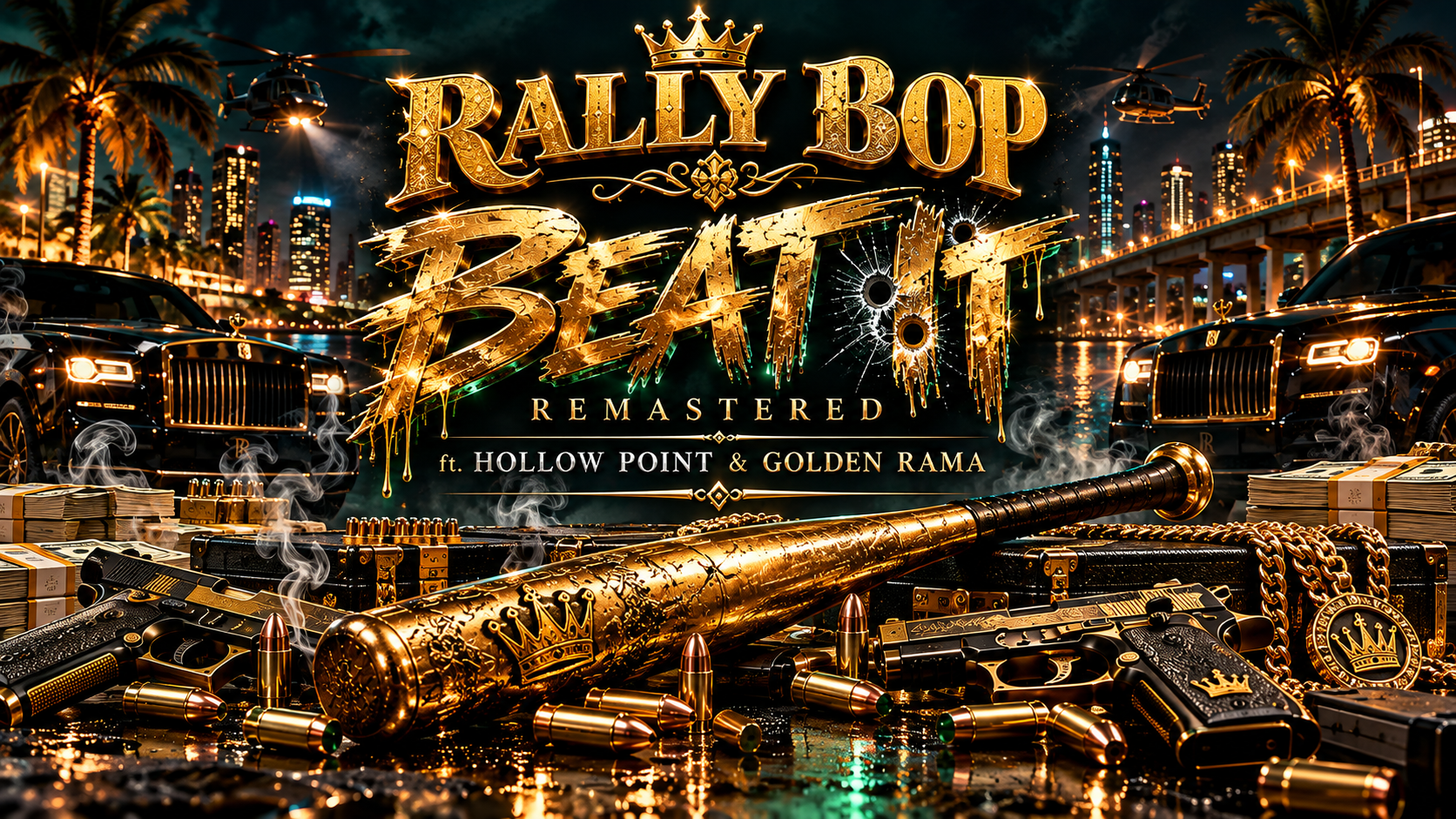 Beat It
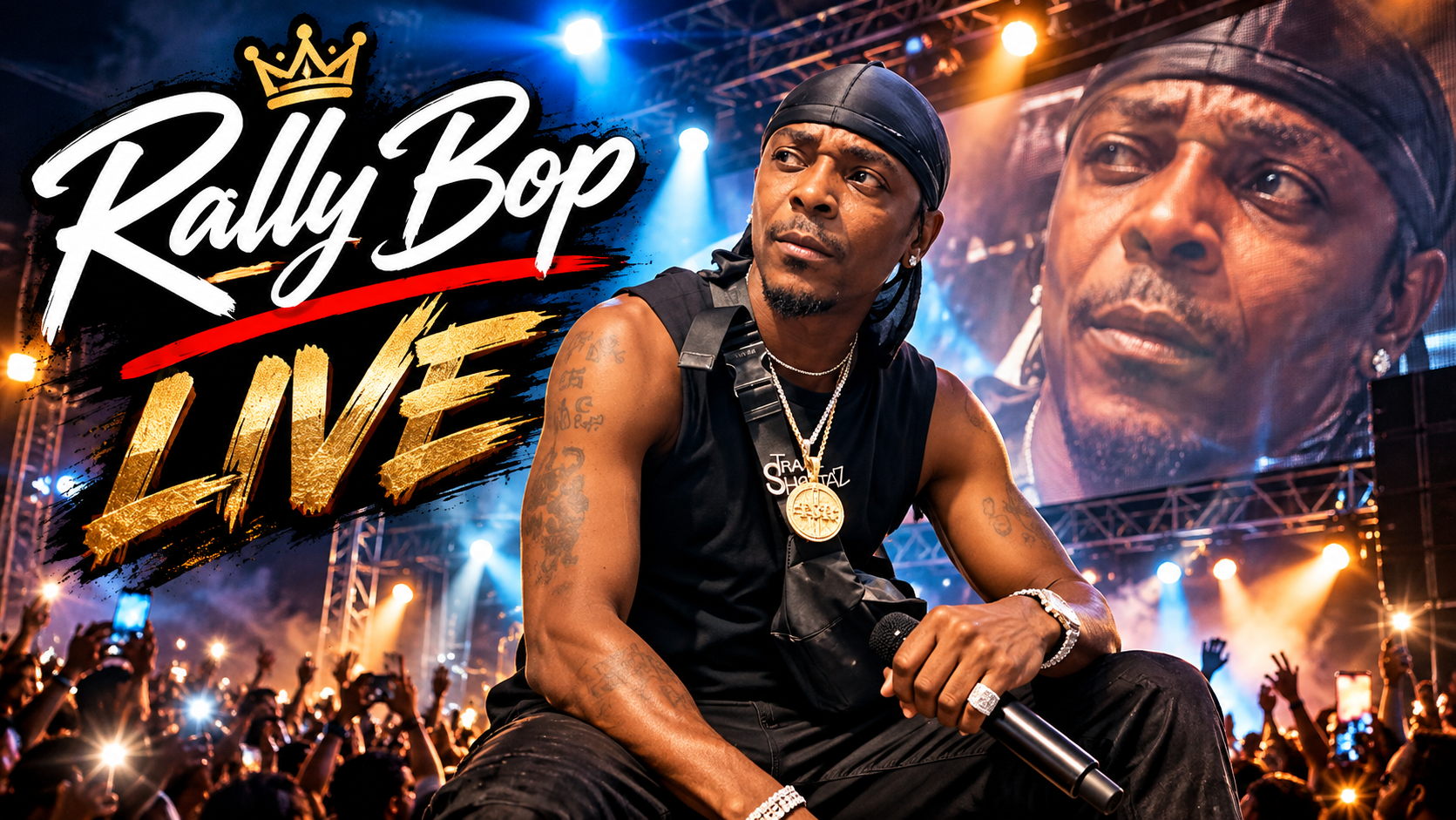 Rally Bop — Rally Bop Live
 Poster
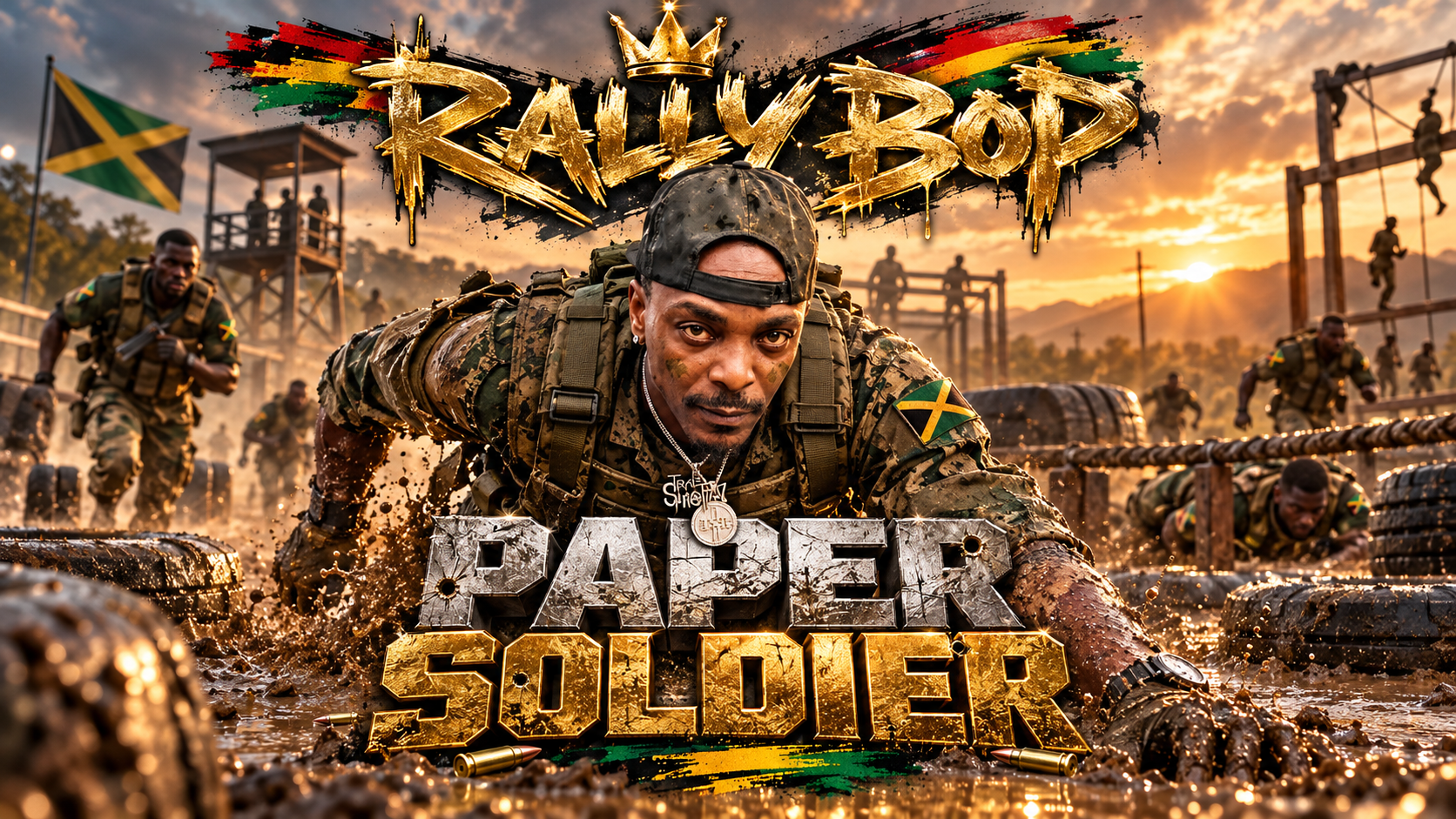 Paper Soldier
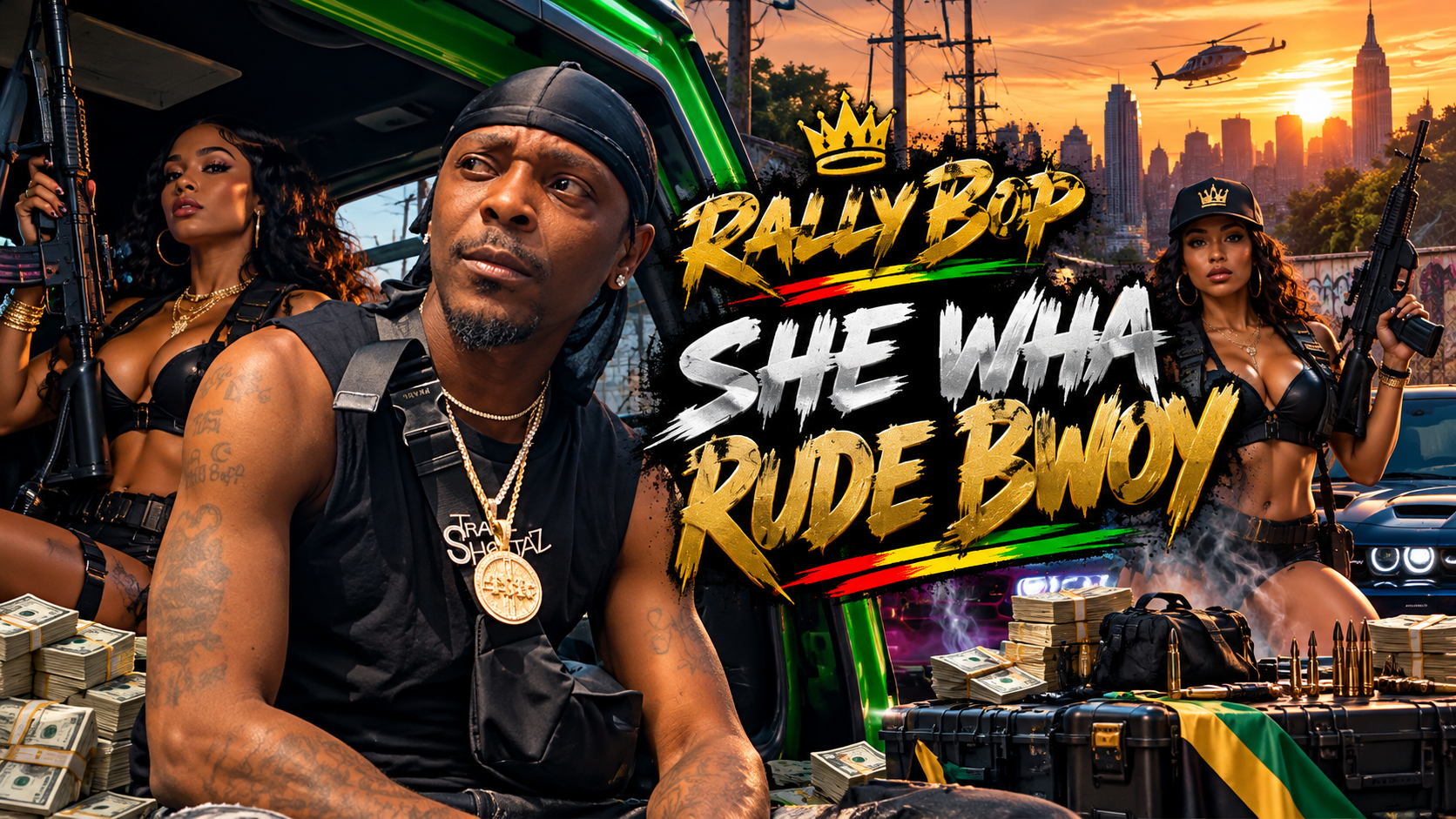 She Wha Rude Bwoy
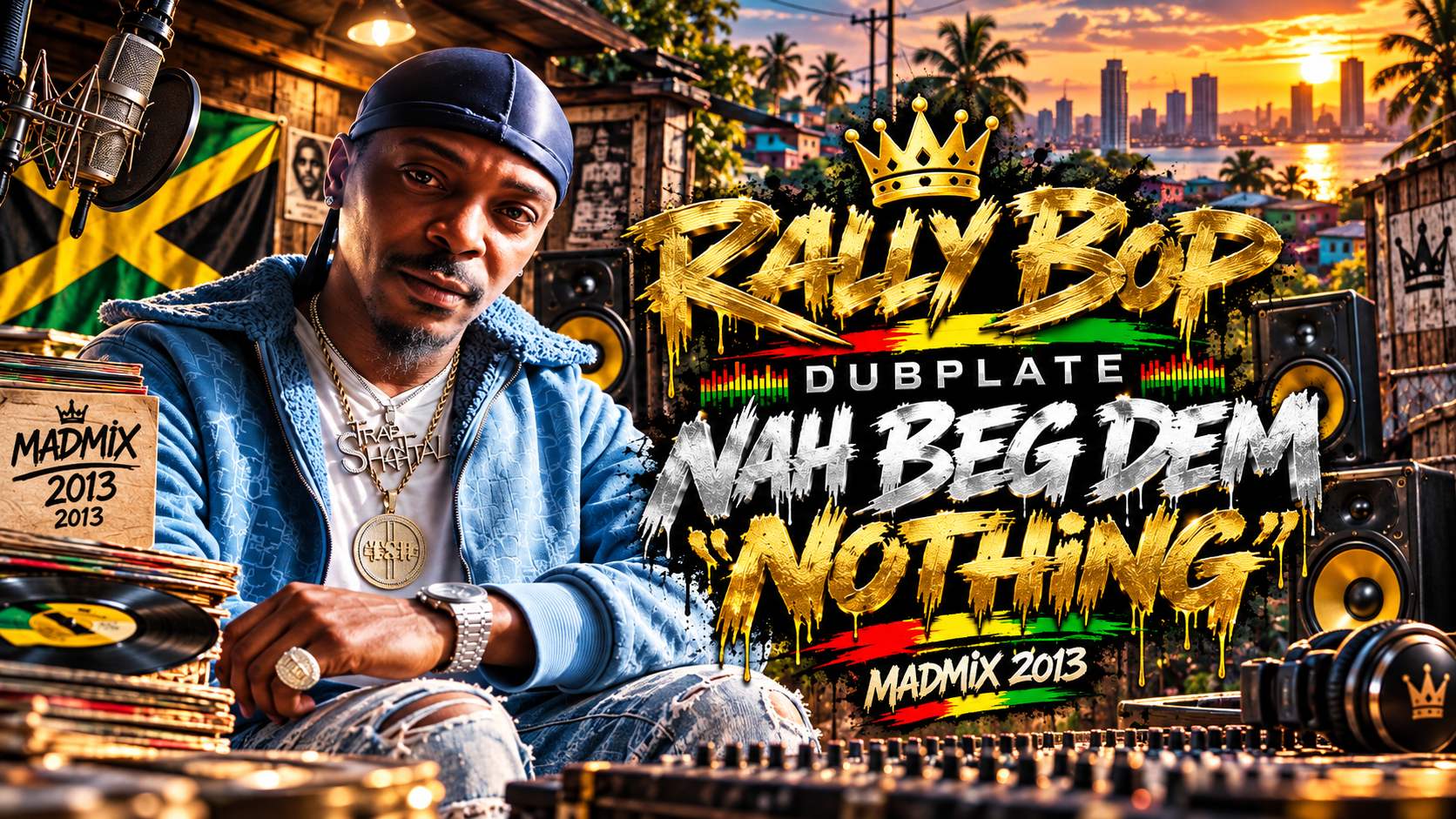 Nah Beg Dem Nothing
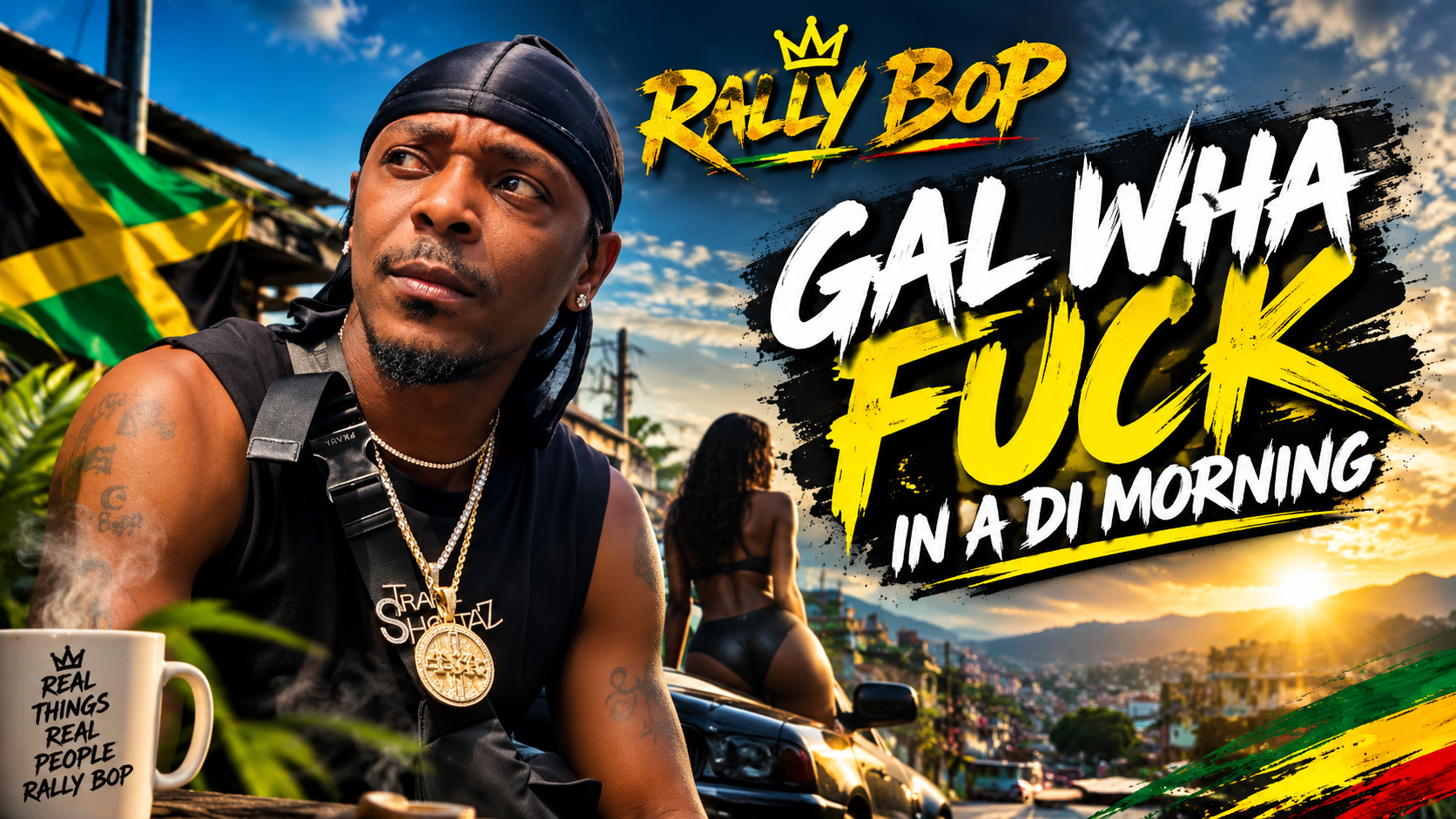 Gal Wha Fuck
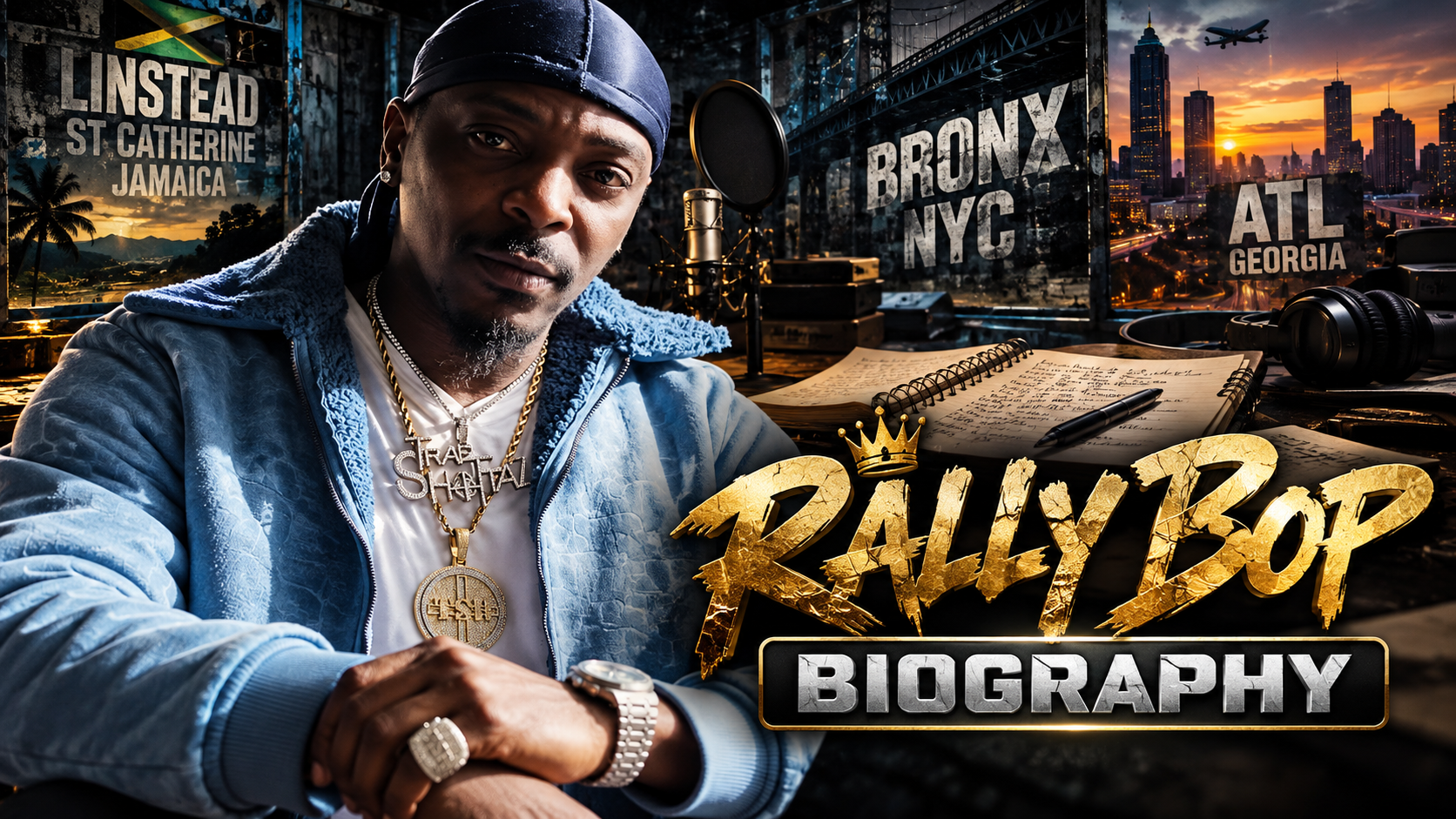 Rally Bop — Official Artist Biography
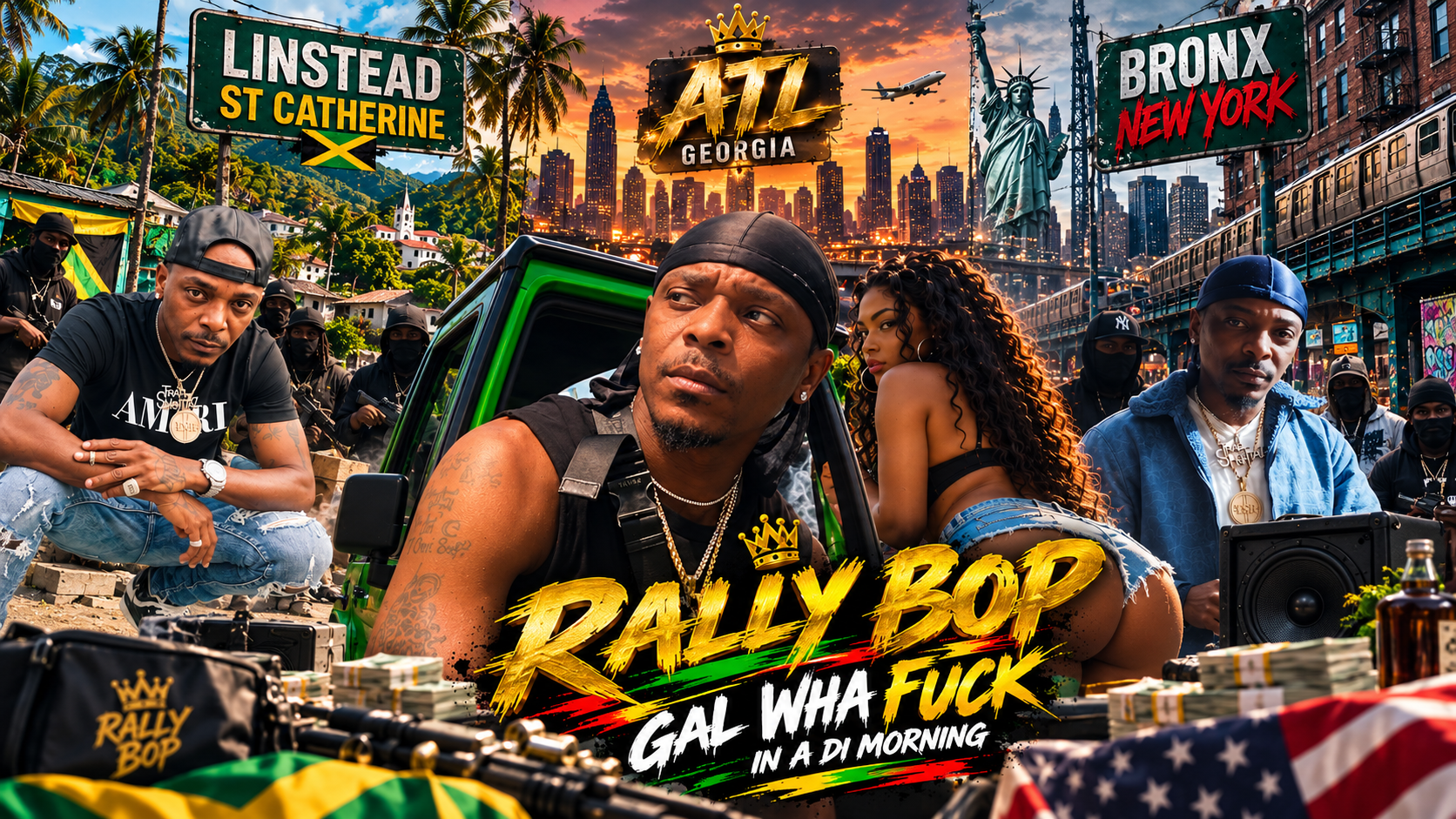 Rally Bop Homepage
 Rally Bop Hub